
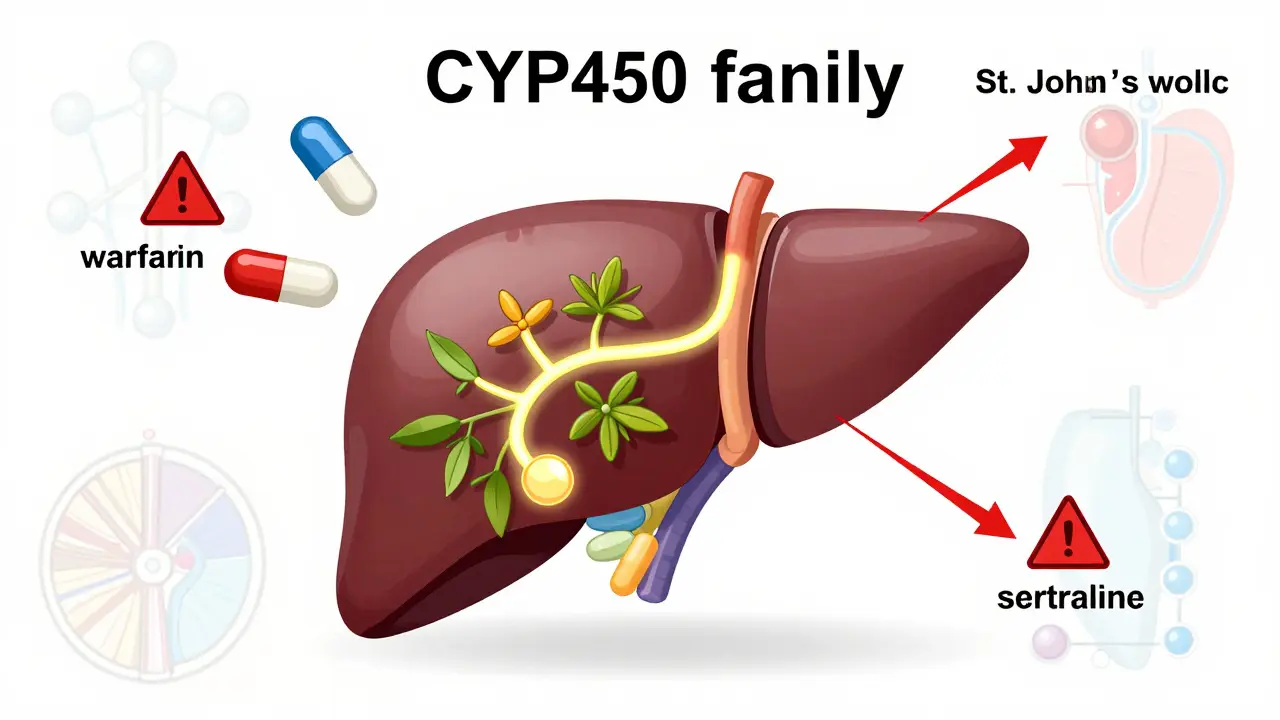
Certain herbal supplements like St. John's Wort and ginkgo biloba can dangerously interact with prescription drugs, reducing effectiveness or increasing side effects. Learn which herbs to avoid and how to protect yourself.
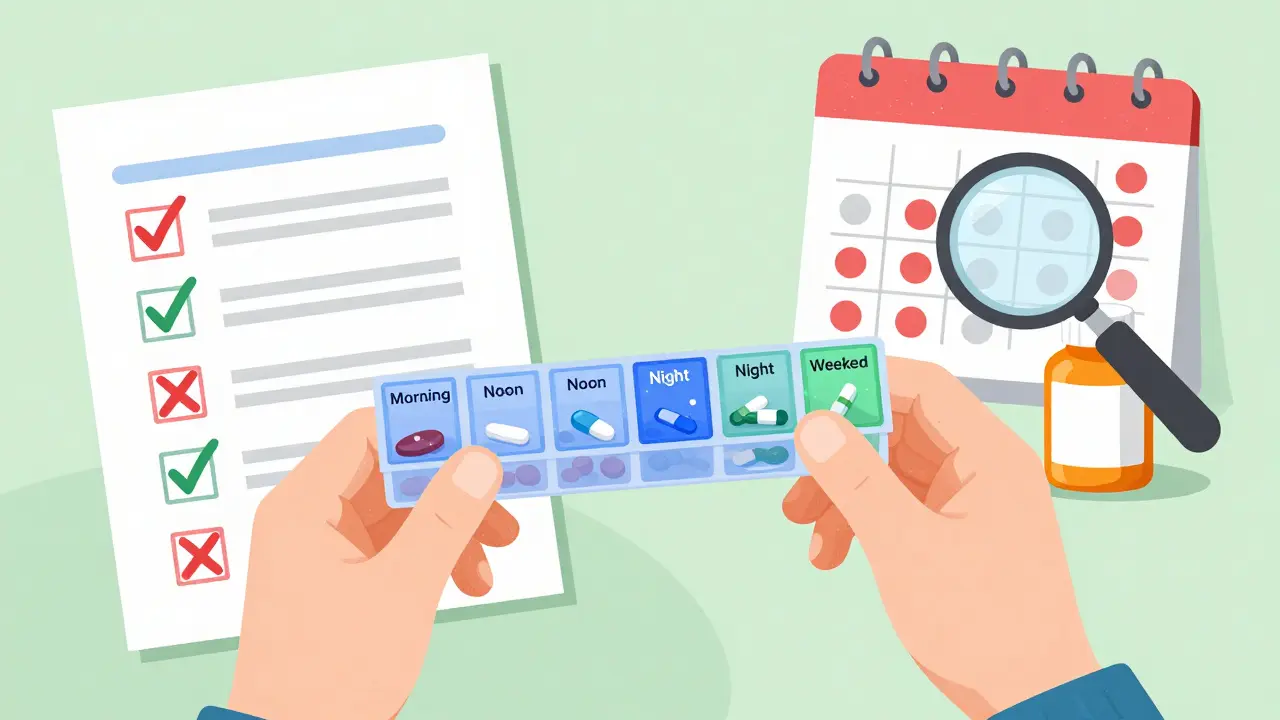
Learn how to track your medication adherence with simple, proven methods - no apps needed. Use this practical checklist to stay on track, avoid hospital visits, and get the full benefit from your prescriptions.
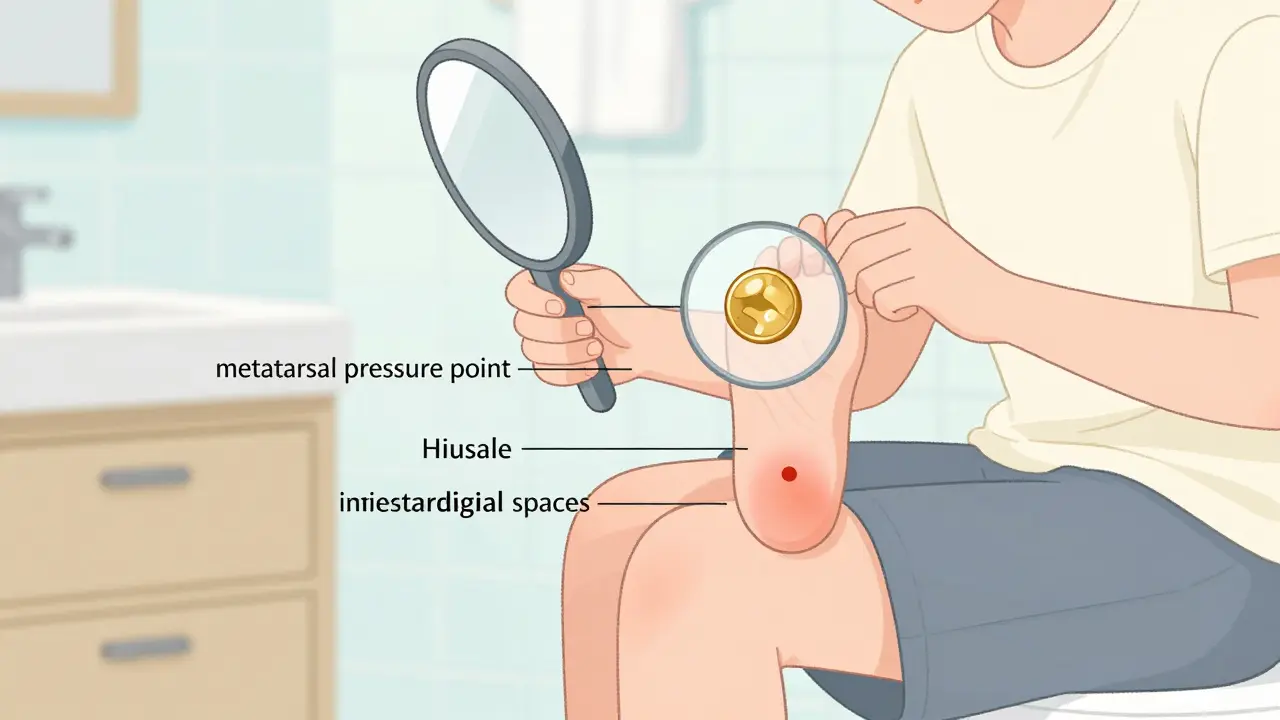
Learn how to prevent diabetic foot ulcers with a proven daily inspection checklist, proper footwear tips, and warning signs to watch for. Reduce your risk of amputation by catching problems early.

GLP-1 receptor agonists like Ozempic and Wegovy help lower A1C and promote significant weight loss by slowing digestion, reducing appetite, and improving insulin response. Learn how they work, which ones are most effective, and what to expect.
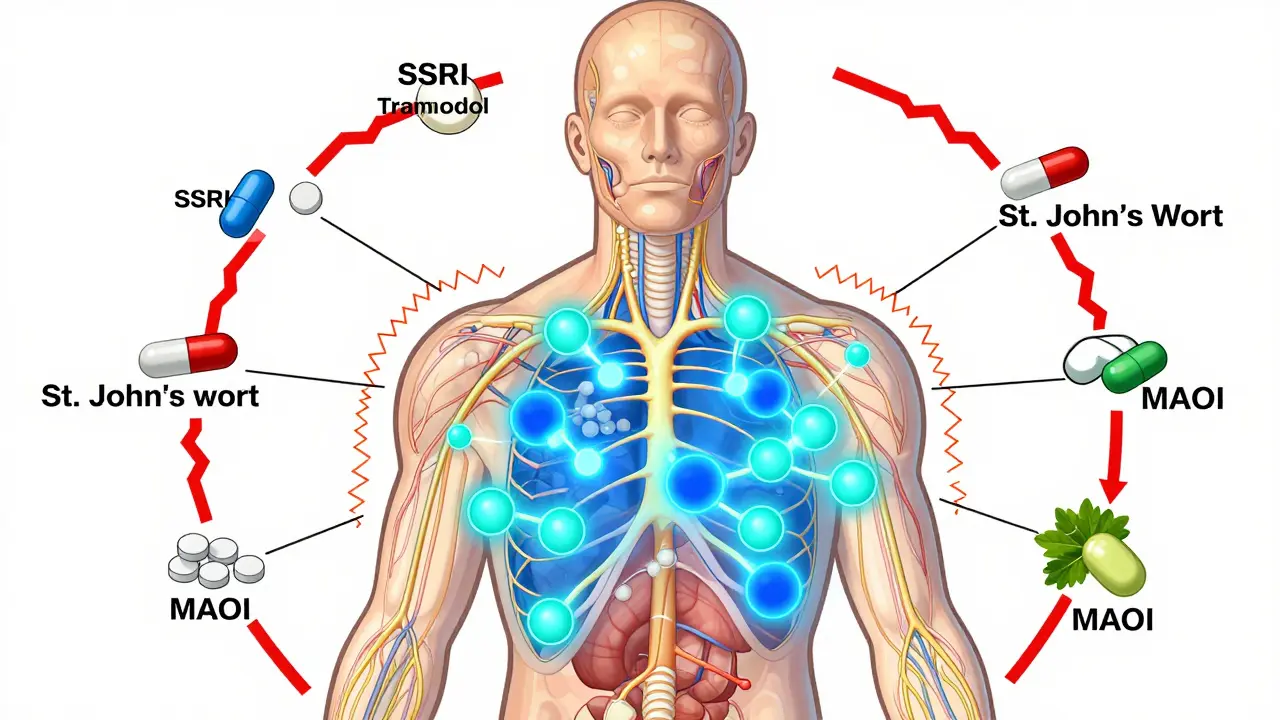
SSRI antidepressants are effective for depression and anxiety, but combining them with other medications can trigger serotonin syndrome - a potentially deadly condition. Learn which drugs are risky and how to stay safe.
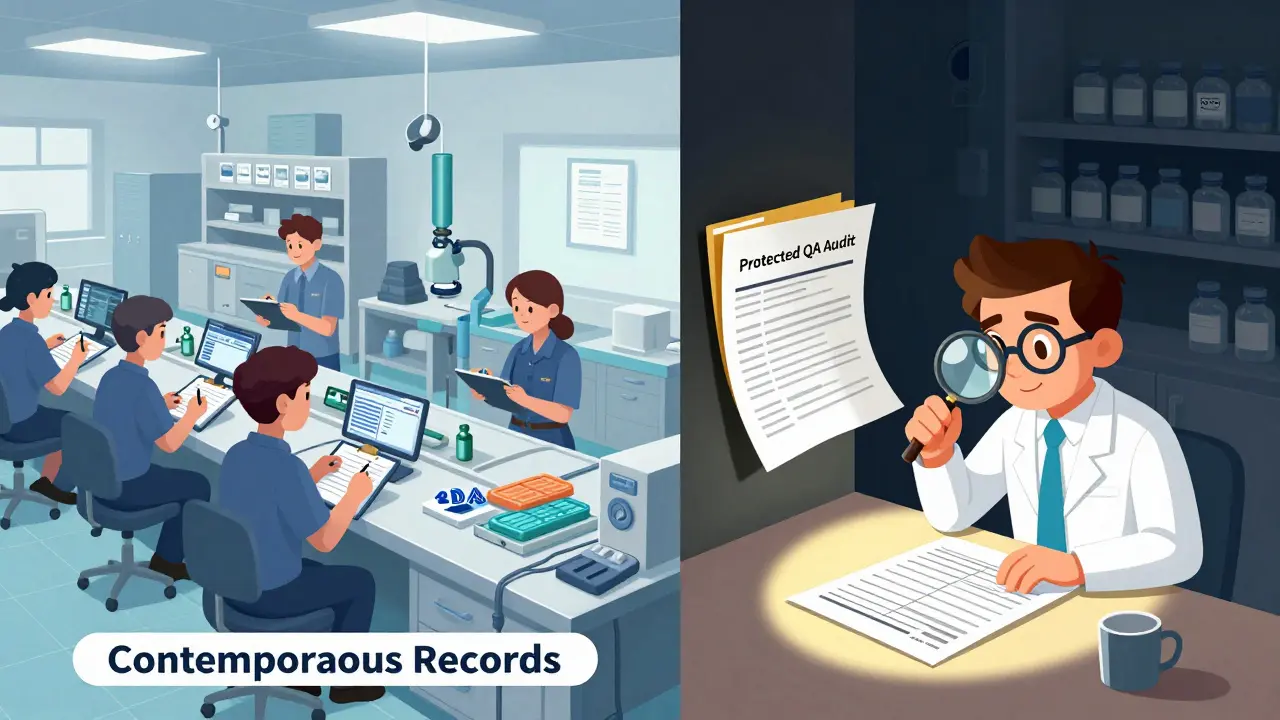
Understand how FDA inspection records work, what manufacturers must disclose, and why transparency matters for drug and device safety. Learn the rules, timelines, and real-world impact of FDA oversight.
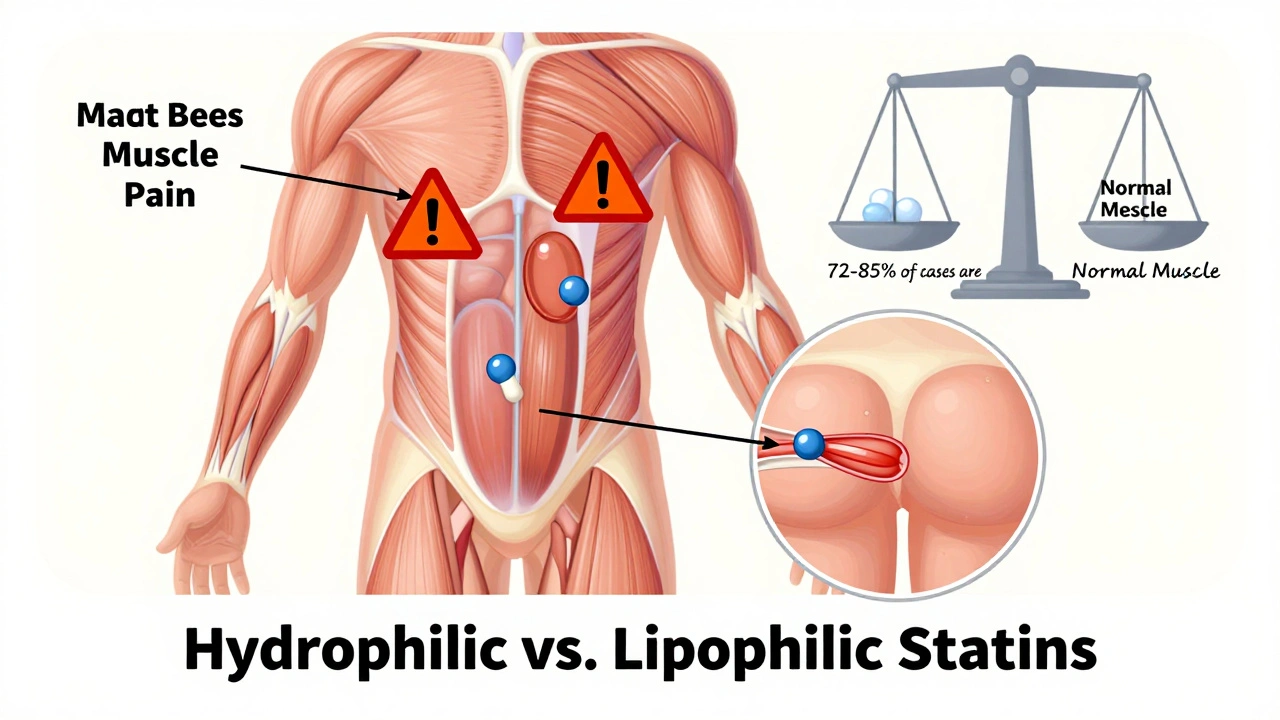
Many people stop statins due to muscle pain, but most cases aren't truly caused by the medication. Learn how to tell if you're truly intolerant, what alternatives work, and how to protect your heart without statins.
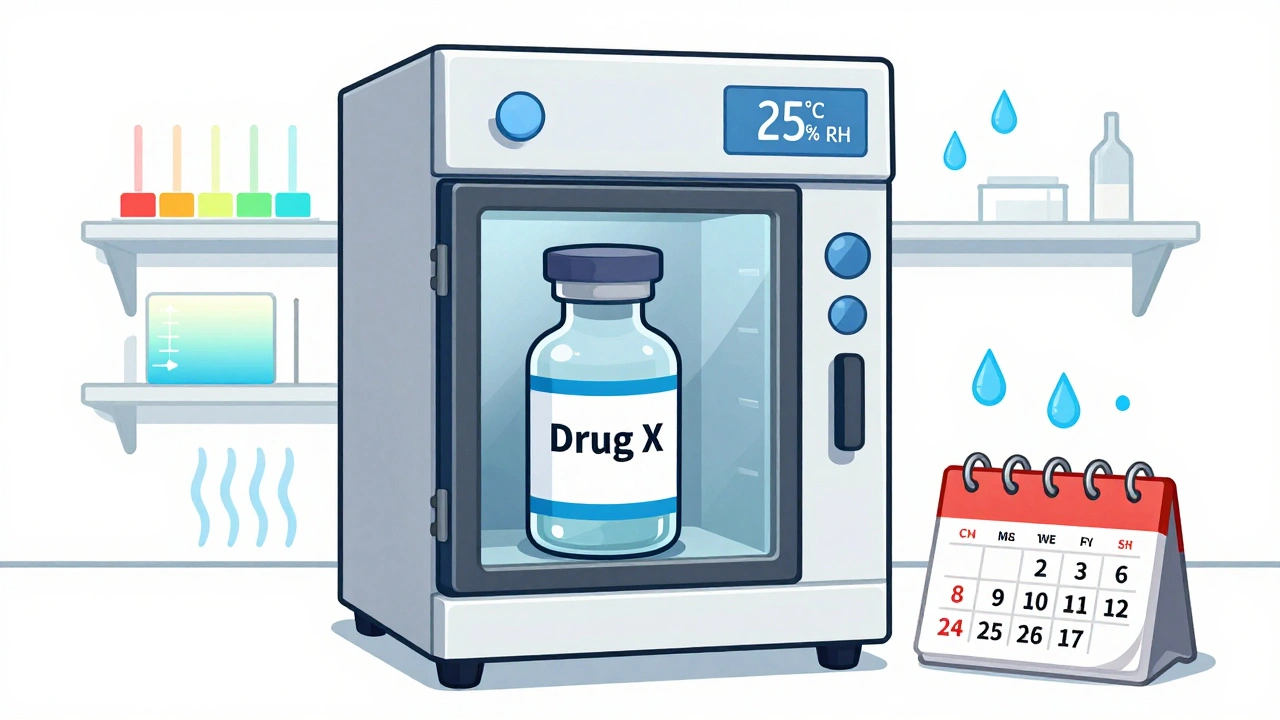
Learn the exact temperature and time conditions required for pharmaceutical stability testing under ICH Q1A(R2) guidelines. Understand long-term, accelerated, and refrigerated protocols used globally to ensure drug safety and efficacy.

Global drug safety is improving through harmonized pharmacovigilance standards, but regional differences still create delays and risks. Learn how ICH guidelines, AI, and real-world data are making safety monitoring faster and more consistent worldwide.
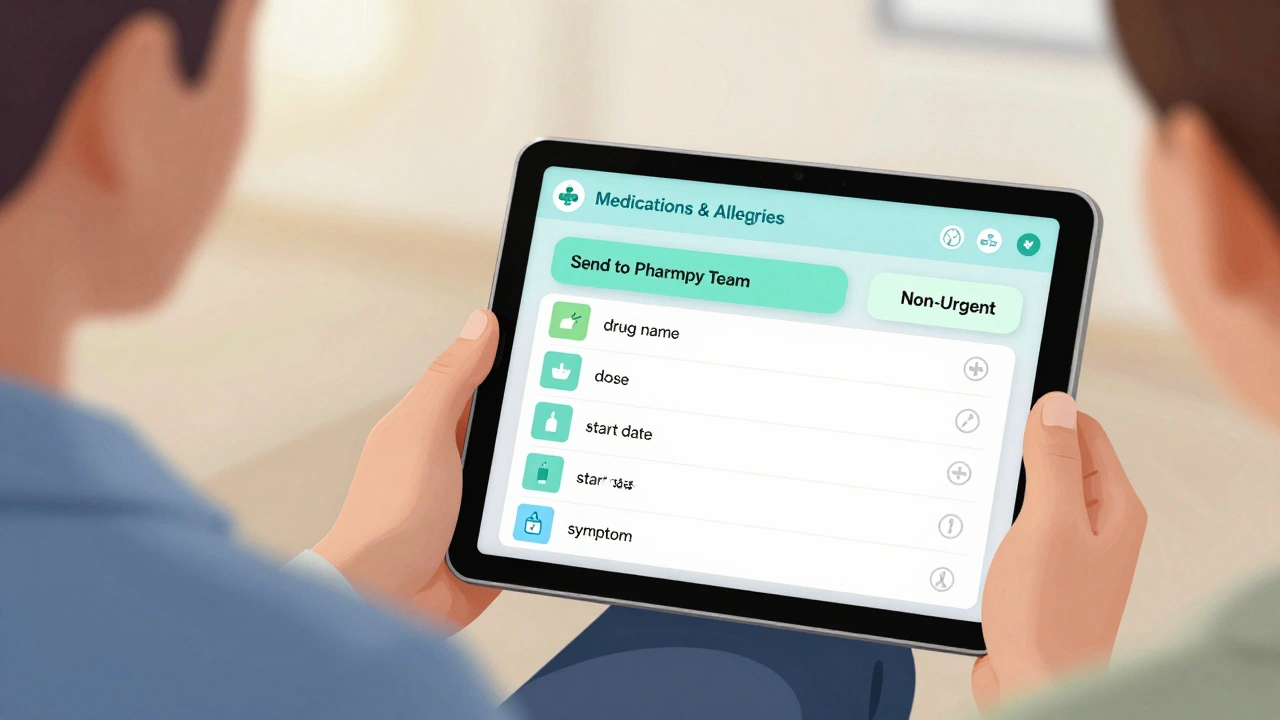
Learn how to use secure messaging to ask medication questions safely and effectively. Get step-by-step guidance on using HIPAA-compliant portals like MyChart to clarify doses, report side effects, and request refills without risking your privacy.