
When you take warfarin, a prescription anticoagulant that reduces blood clotting by blocking vitamin K activity. Also known as Coumadin, it’s one of the most widely used blood thinners in the world — but also one of the most dangerous if not managed right. Unlike newer anticoagulants, warfarin doesn’t come with a fixed dose. Your body’s response changes based on diet, other meds, even your sleep. That’s why regular INR monitoring, a blood test that measures how long it takes your blood to clot is non-negotiable. Too low, and you risk clots. Too high, and you could bleed internally without warning.
Warfarin doesn’t work in isolation. It interacts with antibiotics, common drugs that can spike or drop your INR levels unpredictably, and even vitamin K-rich foods, like kale, spinach, and broccoli, which directly oppose its effect. A sudden switch from salad-heavy meals to fast food can throw your dose off. That’s why consistency matters more than perfection — eat similar amounts of vitamin K daily, avoid alcohol binges, and tell every doctor you see you’re on warfarin before they prescribe anything. Even over-the-counter painkillers like ibuprofen can increase bleeding risk. And if you miss a dose? Don’t double up. That’s a common mistake that sends people to the ER.
People on warfarin often feel like they’re walking a tightrope. One wrong move — a new supplement, a flu shot, a change in liver function — and your numbers swing. That’s why tools like medication lists, safety alerts, and secure messaging with your provider aren’t just helpful, they’re lifesavers. The posts below cover exactly what you need to manage this drug safely: how to track side effects, what to do when you miss a pill, how to read FDA alerts about your meds, and how to avoid dangerous interactions with other drugs. You’ll find real advice on handling warfarin at home, during travel, and in nursing care settings. No fluff. Just what works.
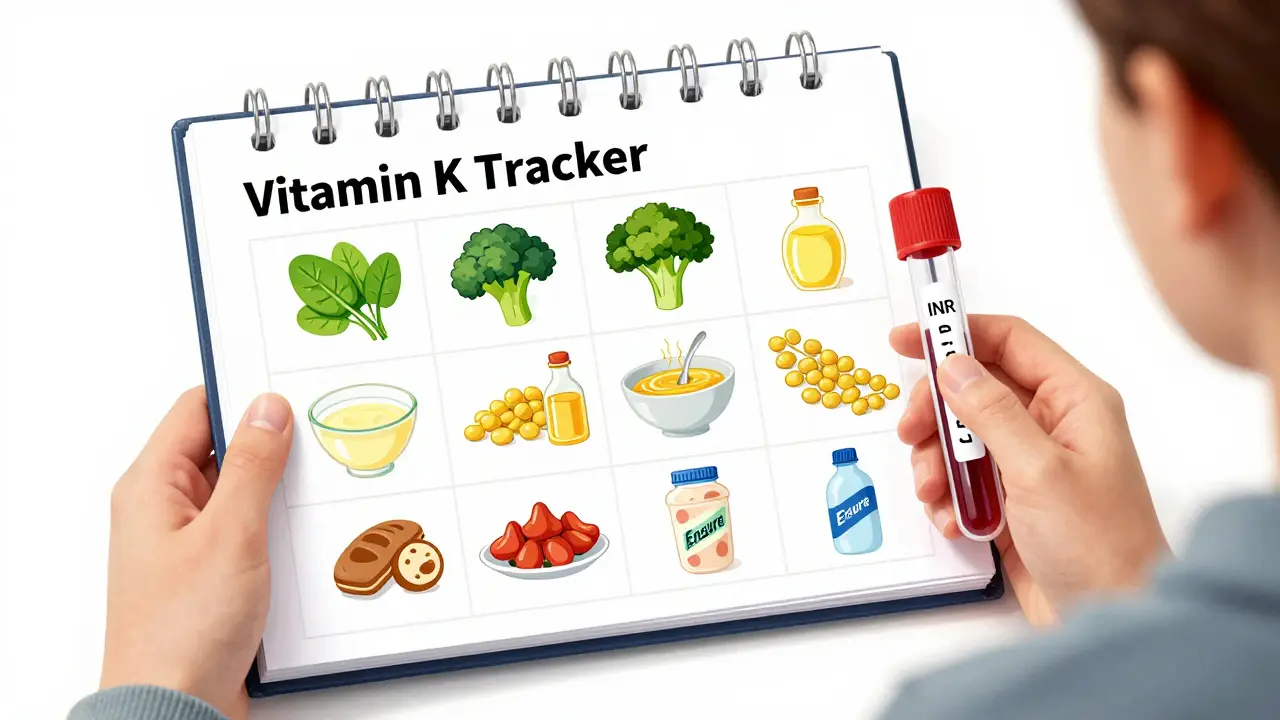
Track vitamin K in your diet to keep your warfarin dose stable and avoid dangerous INR swings. Learn which foods matter, how to use a food diary, and what apps work best for safer blood thinner management.
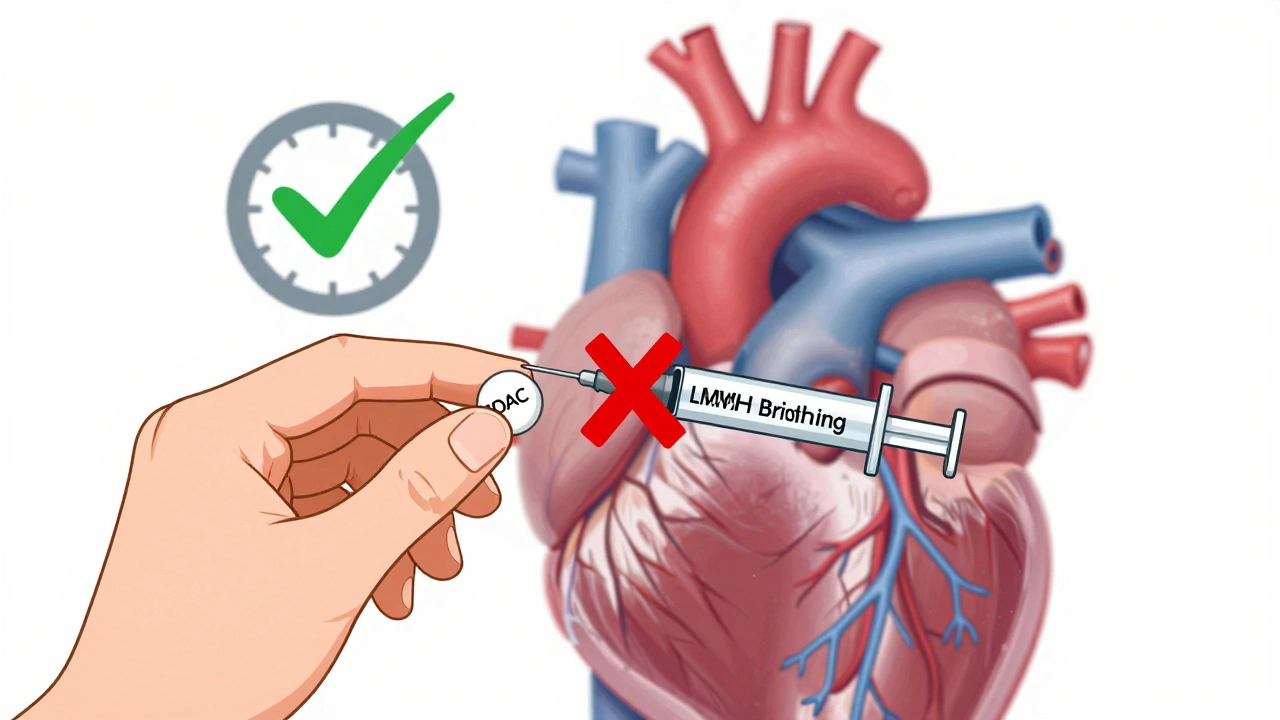
Learn when bridging therapy is truly needed when switching between blood thinners. Most patients don’t require it anymore - especially those on DOACs. Discover the latest guidelines, risks, and safe protocols for warfarin and newer anticoagulants.