
When your blood clots too easily, it can lead to strokes, heart attacks, or deadly blockages in your lungs. That’s where blood thinners, medications that reduce your blood’s ability to form clots. Also known as anticoagulants or antiplatelets, they don’t actually make your blood thinner—they just slow down the clotting process so your blood flows more freely. These drugs aren’t optional for people with atrial fibrillation, artificial heart valves, deep vein thrombosis, or a history of pulmonary embolism. Skipping a dose or mixing them with the wrong supplement can be dangerous. But taking too much? That’s just as risky.
There are two main types: anticoagulants, like warfarin and rivaroxaban, that target clotting factors in your blood, and antiplatelets, like aspirin and clopidogrel, that stop platelets from sticking together. You might be on one, or both—depending on your condition. Warfarin needs regular blood tests to check your INR levels. Newer ones like apixaban or dabigatran don’t, but they’re pricier and harder to reverse if you bleed. And yes, some herbal supplements like garlic, ginkgo, or fish oil can act like natural blood thinners. Mixing them with your prescription? That’s a recipe for trouble.
People on blood thinners often end up in the ER because they didn’t know a fall or a cut could turn serious. Even brushing your teeth too hard can cause bleeding you won’t notice until it’s bad. That’s why knowing the signs matters: unusual bruising, pink or red urine, nosebleeds that won’t stop, or headaches that feel different. Your doctor should give you a medication list with safety alerts clearly marked—because mistakes here aren’t just common, they’re deadly. And if you’re traveling, packing your meds correctly? That’s not optional. Some countries don’t recognize your prescription, and customs can confiscate your pills.
You’ll find posts here that show how to document safety alerts on your medication list, what to do when you miss a dose, and how to avoid dangerous interactions with other drugs. There’s advice on reading FDA alerts for your specific blood thinner, how to store it safely away from household chemicals, and even how to ask your provider questions using secure messaging. You’ll see real stories about managing high blood pressure with combination pills that include blood thinners, and how patients handle side effects without doubling up on doses. This isn’t theoretical. These are the daily choices people make to stay alive.

Learn the real risks of epidural and spinal procedures while on blood thinners, including timing rules, warning signs, and how to prevent life-threatening spinal hematomas.
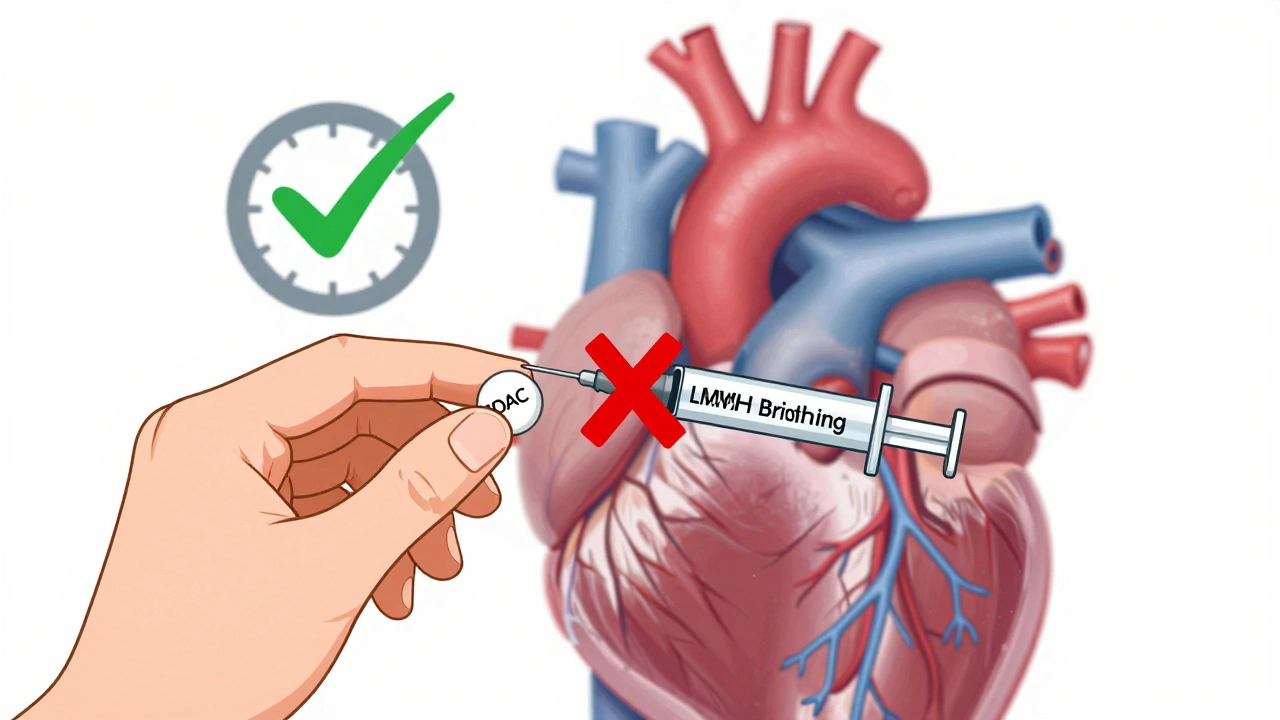
Learn when bridging therapy is truly needed when switching between blood thinners. Most patients don’t require it anymore - especially those on DOACs. Discover the latest guidelines, risks, and safe protocols for warfarin and newer anticoagulants.