
When you hear authorized generics, brand-name drugs sold under a generic label with the same active ingredients, manufacturing process, and packaging as the original. Also known as brand-name generics, these are not knockoffs—they’re the real thing, made by the same company that created the original drug, just without the brand name and marketing costs. Unlike regular generics, which are made by different manufacturers after the patent expires, authorized generics come straight from the brand-name maker. That means the pills you get are identical in size, shape, color, and how your body absorbs them—no guesswork.
This matters because even though regular generics are cheaper than brand-name drugs, they’re not always the lowest price. Sometimes, the authorized generic version is priced even lower than other generics because the original company is trying to keep market share after patent loss. For example, if you’re on a drug like Lipitor or Nexium, the authorized generic might be the same pill your doctor prescribed, but sold under a store label for half the cost. You won’t find this out unless you ask your pharmacist or check your receipt. And here’s the thing: the FDA requires these authorized generics to meet the same strict standards as the brand version. No shortcuts. No compromises.
But here’s where it gets tricky. Not every brand-name drug has an authorized generic. It depends on the company’s business strategy. Some manufacturers delay releasing one to protect profits. Others release it right away to compete with other generics. That’s why you might pay $50 for a brand-name pill one month, then $12 for a generic the next, and then $8 for the authorized generic—same pill, different label. If you’re on a long-term medication, it’s worth asking if an authorized generic exists. It could save you hundreds a year.
And it’s not just about price. For drugs with a narrow therapeutic index—like blood thinners, thyroid meds, or seizure drugs—small differences in how the body handles the drug can be risky. That’s why therapeutic drug monitoring, a process where doctors measure drug levels in your blood to ensure they’re in the safe and effective range is often used with these meds. Authorized generics reduce that risk because they’re chemically identical to the brand. You’re not swapping one version for another—you’re getting the same formula, just cheaper.
Some people worry that generics aren’t as good. But authorized generics remove that doubt. They’re made in the same factory, on the same machines, with the same quality controls. The only difference? The box says "generic" instead of "Lipitor." And if you’ve ever had trouble getting insurance to cover a brand-name drug, an authorized generic often slips through the cracks as a covered generic—no prior authorization needed.
Behind the scenes, companies run bioequivalence studies, tests that prove a generic drug performs the same as the brand in the body to get FDA approval. But authorized generics skip that step entirely—they don’t need to prove equivalence because they’re the same product. That’s why they’re approved faster and with fewer regulatory hurdles. It’s not magic. It’s just honesty in packaging.
So if you’re paying more than you should for a prescription, don’t assume the generic you’re getting is the cheapest option. Ask your pharmacist: "Is there an authorized generic for this?" It’s a simple question that can lead to big savings. And if you’re managing a chronic condition—like high blood pressure, diabetes, or thyroid disease—you’ll want to know exactly what’s in your pill bottle. With authorized generics, you get the same effectiveness, the same safety, and the same peace of mind, all for less.
Below, you’ll find real-world guides on how to spot these drugs, understand your insurance coverage, compare prices across pharmacies, and avoid common mistakes when switching from brand to generic. Whether you’re on Medicare, have private insurance, or pay out of pocket, knowing about authorized generics can change how you manage your meds—without changing your results.
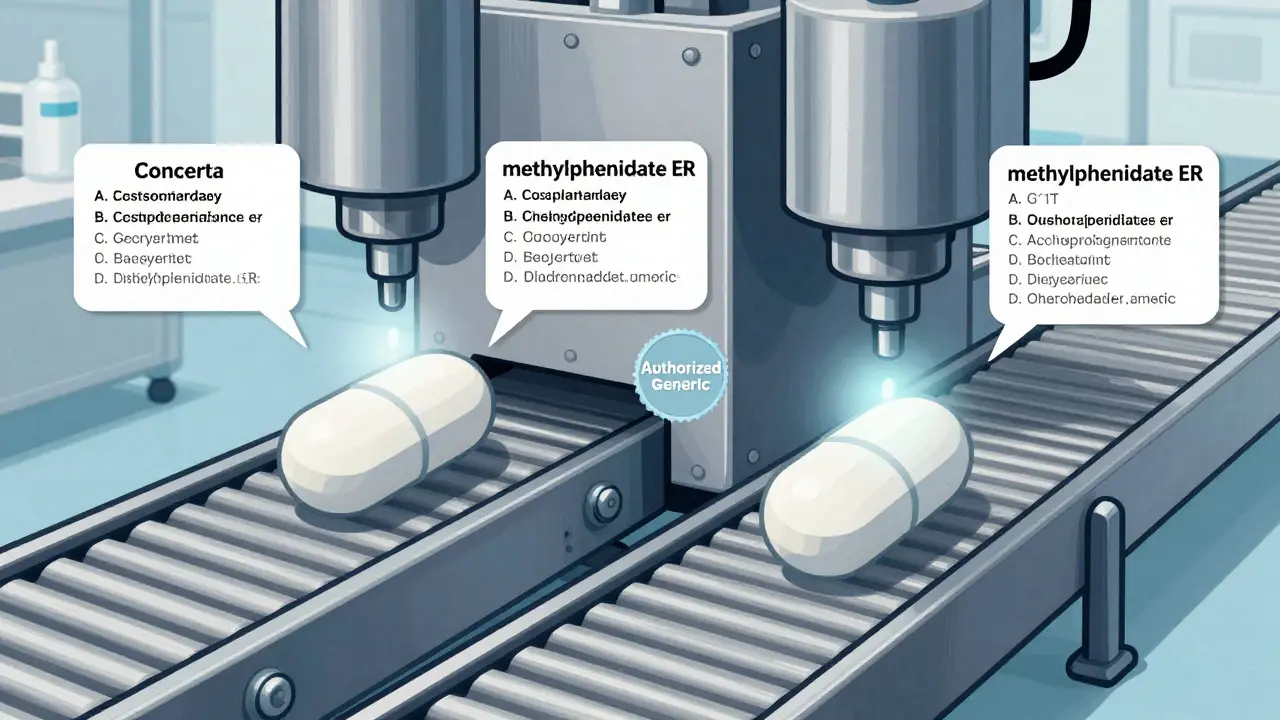
Authorized generics let brand drugmakers stay competitive after patent expiration by selling identical medications under a different label. They lower prices, reduce patient risk, and complicate generic market entry. Here’s how they work - and why they matter.
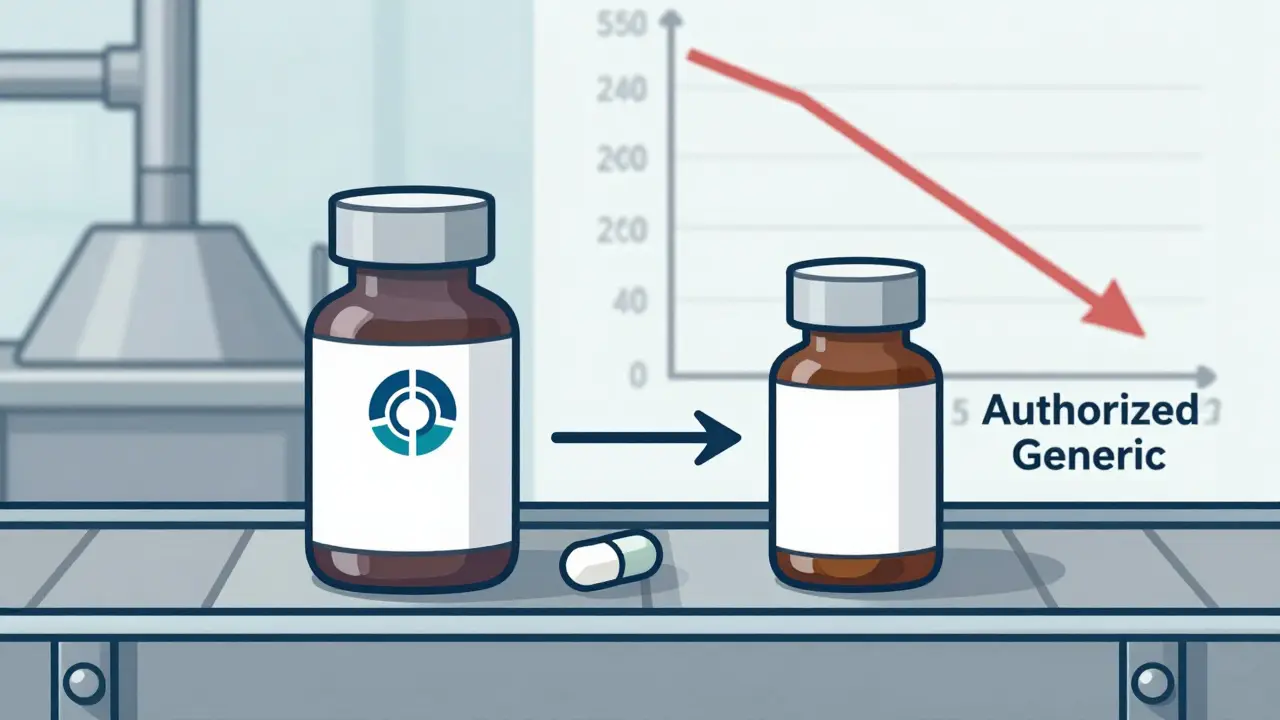
Authorized generics let brand manufacturers sell their own drugs under generic labels after patent expiry. With new FDA rules and falling delays in launches, they’re becoming a faster, more transparent way to lower drug prices - not just a tactic to block competition.
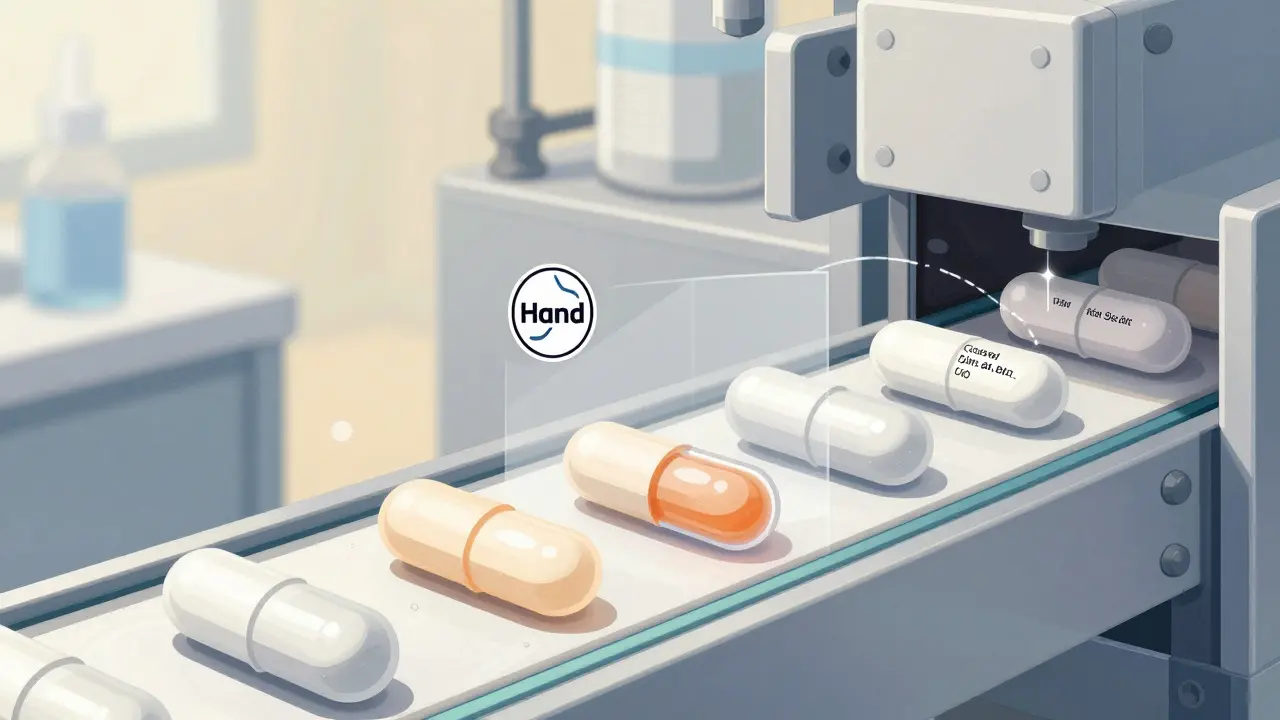
Brand manufacturers create authorized generics-identical copies of their own drugs-to retain market share after patents expire. Learn how they're made, why they cost more than regular generics, and what this means for your prescriptions.
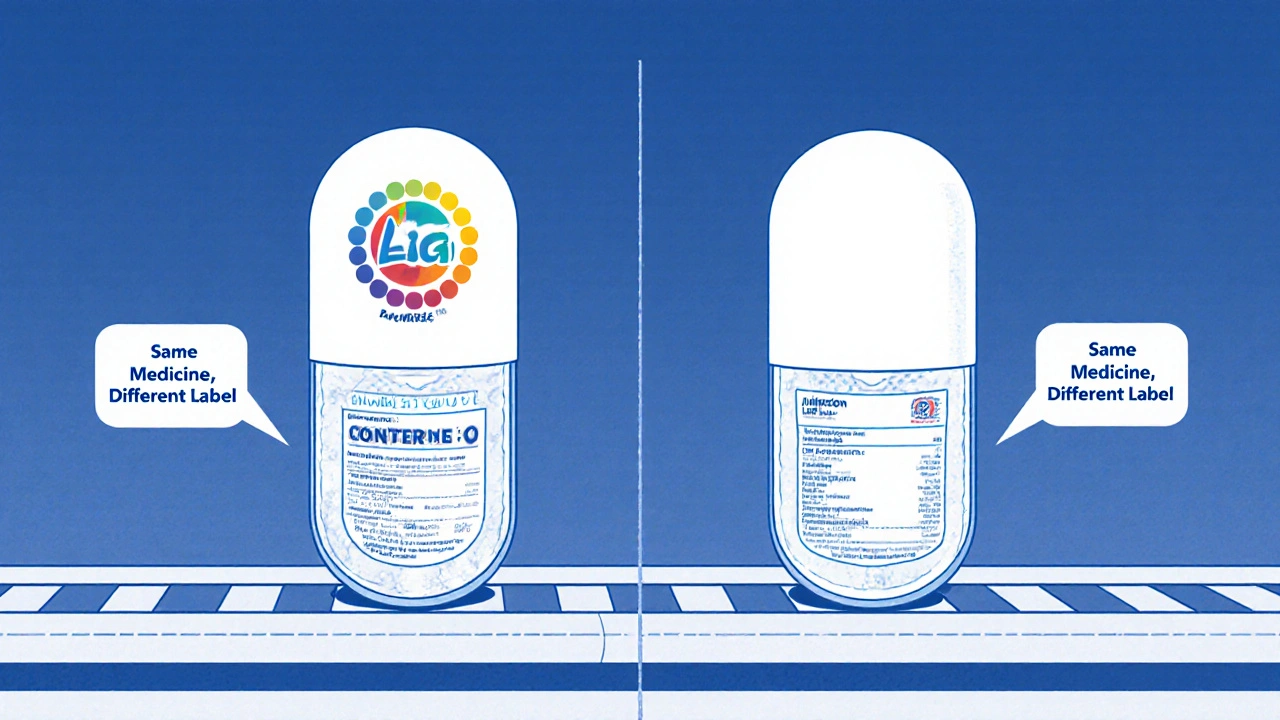
Authorized generics look different from brand-name drugs due to trademark laws - not because they’re different medicine. Learn why the pill changes color and shape, but not effectiveness.