
When you hear FDA generics, approved copies of brand-name drugs that meet the same strict standards for safety and effectiveness. Also known as generic medications, they are the backbone of affordable healthcare in the U.S., helping millions save money without sacrificing results. The FDA doesn’t just approve these drugs because they look alike or have the same name—they require proof that they deliver the same amount of active ingredient into your bloodstream at the same speed as the original. That’s called bioequivalence, the scientific process that proves a generic drug performs identically to its brand-name counterpart. Without this, a generic wouldn’t be allowed on the market.
Not all generics are created equal, though. For drugs with a narrow therapeutic index (NTI), medications where tiny changes in blood levels can lead to serious side effects or treatment failure, even small differences in how the body absorbs the drug matter. That’s why doctors sometimes use therapeutic drug monitoring, regular blood tests to check drug levels and ensure they stay in the safe, effective range for patients on generics like warfarin, lithium, or certain seizure meds. These aren’t just precautions—they’re lifesavers. And while most generics work perfectly fine, the FDA still tracks reports of issues, especially when patients switch between different generic manufacturers.
It’s also important to know that generic drugs aren’t cheaper because they’re lower quality—they’re cheaper because the makers don’t have to repeat expensive clinical trials. The original brand paid for those. Generic companies just prove their version behaves the same. That’s why you’ll see posts here about how FDA generics are tested, how they compare in price across countries, and why some combination antibiotics or NTI drugs need extra attention. You’ll also find real stories about switching from brand to generic, what to watch for, and when to ask your pharmacist or doctor for help. Whether you’re managing high blood pressure with a generic combo pill, dealing with a fungal infection, or trying to cut costs on long-term care meds, the information below is built to help you make smarter, safer choices.
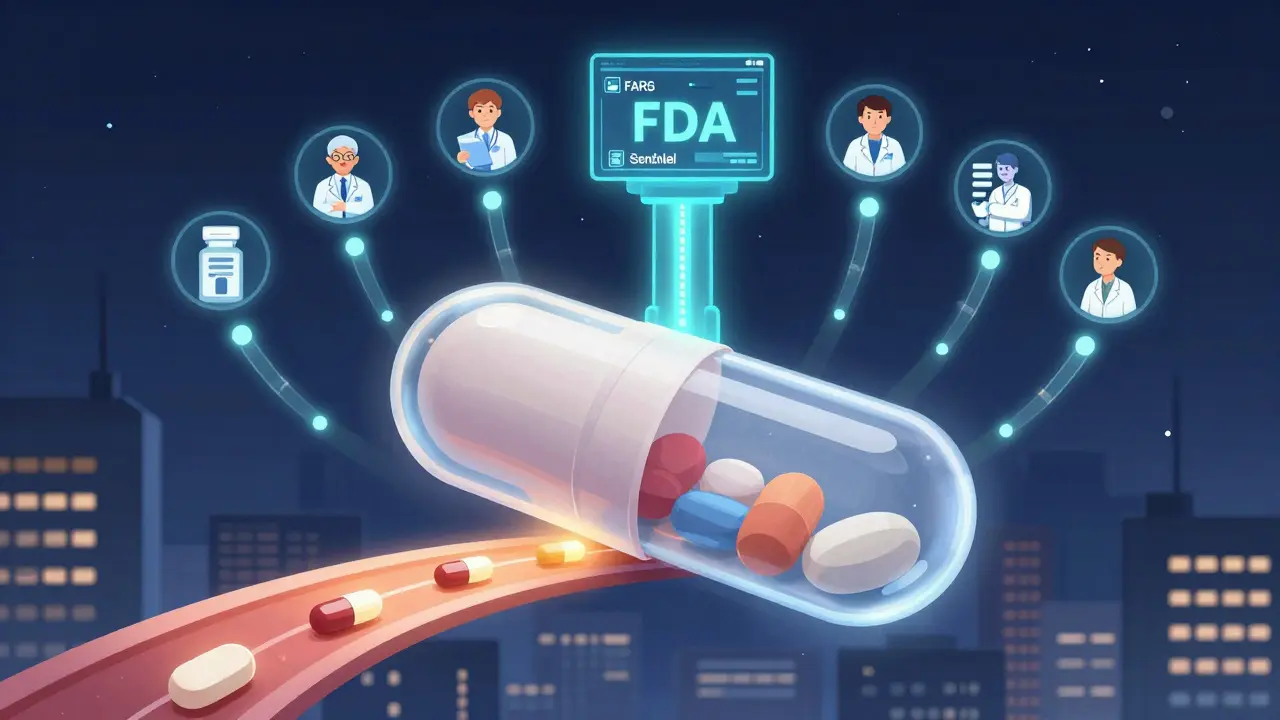
The FDA monitors generic drugs after approval using real-world data, adverse event reports, and inspections to ensure ongoing safety. Learn how systems like FAERS and Sentinel catch hidden risks that clinical trials miss.
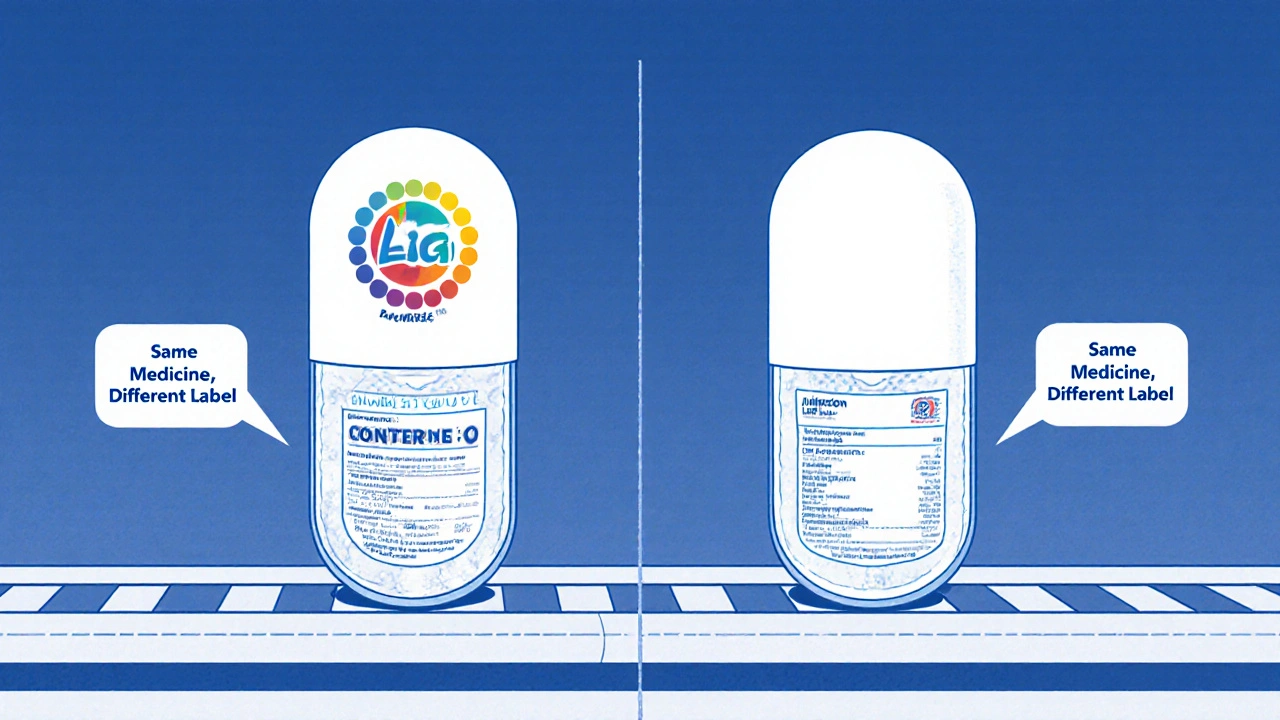
Authorized generics look different from brand-name drugs due to trademark laws - not because they’re different medicine. Learn why the pill changes color and shape, but not effectiveness.