
When your body makes too much cortisol, a hormone produced by the adrenal glands that helps manage stress, blood sugar, and inflammation. Also known as hypercortisolism, it’s not just about being stressed—it’s a medical condition that can quietly wreck your health. Too much cortisol doesn’t come from overworking. It comes from tumors, long-term steroid use, or rare gland disorders. And it doesn’t just make you tired—it changes how your body stores fat, breaks down muscle, and fights infection.
One of the most common causes is long-term steroid medications, like prednisone or dexamethasone, used for asthma, arthritis, or autoimmune diseases. These drugs mimic cortisol, and over time, your body stops regulating its own production. Another major cause is Cushing's syndrome, a disorder where tumors in the pituitary or adrenal glands overproduce cortisol. This isn’t rare—it’s underdiagnosed. People with it often gain weight fast, especially around the belly and face, while their arms and legs stay thin. Skin bruises easily, muscles weaken, and blood pressure climbs. Women may grow facial hair or stop getting periods. Men lose libido. And yes, mood swings and depression are common too.
What makes cortisol excess tricky is that its symptoms look like other things—aging, poor diet, or general burnout. But the pattern is different. If you’ve been on steroids for months and suddenly can’t get out of bed without feeling dizzy, or your jeans won’t zip even though you’ve lost weight elsewhere, that’s not normal. Blood and urine tests can measure cortisol levels. Imaging can find tumors. And treatment isn’t one-size-fits-all. Sometimes you need to slowly reduce steroids. Other times, surgery removes a tumor. Medications can block cortisol production. The goal isn’t just to lower numbers—it’s to restore how your body actually works.
What you’ll find below are real, practical guides on how steroid medications affect your body, how to spot signs of hormone imbalance, and what steps to take if you suspect something’s off. These aren’t theory pieces—they’re based on patient experiences, clinical data, and clear explanations of how drugs like dexamethasone, levocetirizine, or even common painkillers can interact with your natural hormone system. You’ll learn what to ask your doctor, how to track symptoms, and how to avoid dangerous combinations that make cortisol excess worse. This isn’t about fear—it’s about knowing what’s really going on inside you.
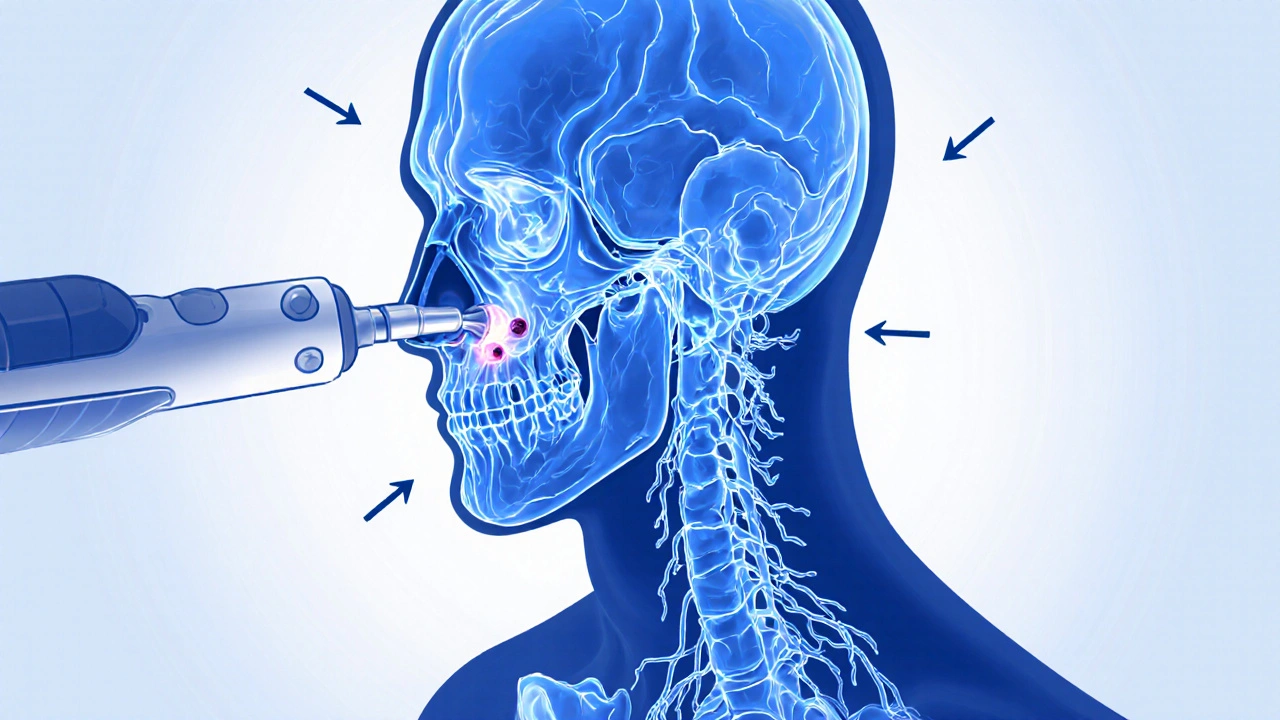
Cushing's syndrome, caused by excess cortisol, leads to serious health risks. Surgery is the most effective cure for tumor-related cases, with high success rates when performed at specialized centers. Learn how it works, what to expect, and why timing matters.