
Most people think if their nose is stuffed up, their face hurts, and the mucus is green, they need antibiotics. But here’s the truth: antibiotics don’t help in most cases of sinusitis. In fact, using them when they’re not needed is making real infections harder to treat down the line. The good news? You don’t need to suffer through it alone - and you don’t need pills to get better.
What Exactly Is Sinusitis?
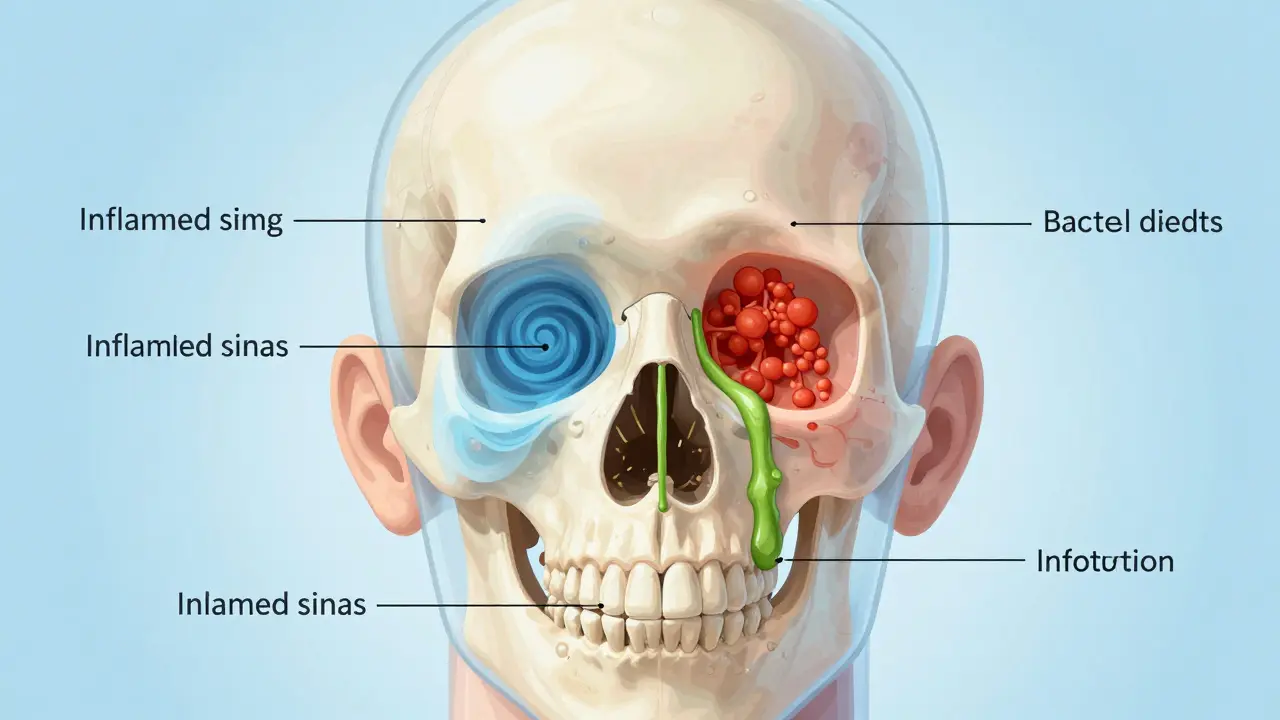
Sinusitis, also called rhinosinusitis, is just swelling in the spaces around your nose - the sinuses. These air-filled pockets help warm and filter the air you breathe. When they get inflamed, you get pressure, congestion, headaches, and that thick mucus everyone dreads. About 31 million Americans get it every year, and it’s one of the top reasons people visit the doctor. The big mistake? Assuming all sinus infections are the same. There are three types: viral, bacterial, and fungal. Fungal is rare and mostly affects people with weakened immune systems. Viral and bacterial are the main players - and they need totally different approaches.Viral Sinusitis: The Most Common Culprit
About 90 to 98% of acute sinus infections are caused by viruses - the same ones that give you colds. You catch it from someone sneezing, touching a doorknob, or just being in a crowded room. It starts with a runny nose, maybe a low-grade fever, and a feeling like your head’s full of cotton. Here’s what it looks like in real life:- Symptoms start suddenly, often after a cold
- Nasal discharge is clear or white
- Facial pressure is mild, not sharp
- Fever is rare or low (under 101°F)
- You start feeling better after 5-7 days
- By day 10, most people are back to normal
Bacterial Sinusitis: When It’s Something Else
Only 2 to 10% of sinus infections are bacterial. That means antibiotics could help - but only if you’ve got the right signs. And here’s the catch: bacteria don’t just show up out of nowhere. They often move in after a viral infection has already weakened the area. Look for these red flags:- Symptoms last more than 10 days without improvement
- You feel better for a few days, then crash hard again - this is called "double-worsening"
- Nasal discharge is thick, yellow, or green and sticks around for more than 3-4 days
- You have a fever over 102°F (38.9°C) that lasts more than 3 days
- Pain is focused on one side of your face, especially around your cheeks or eyes
- Your upper teeth hurt on one side - that’s a classic sign
When Do Antibiotics Actually Help?
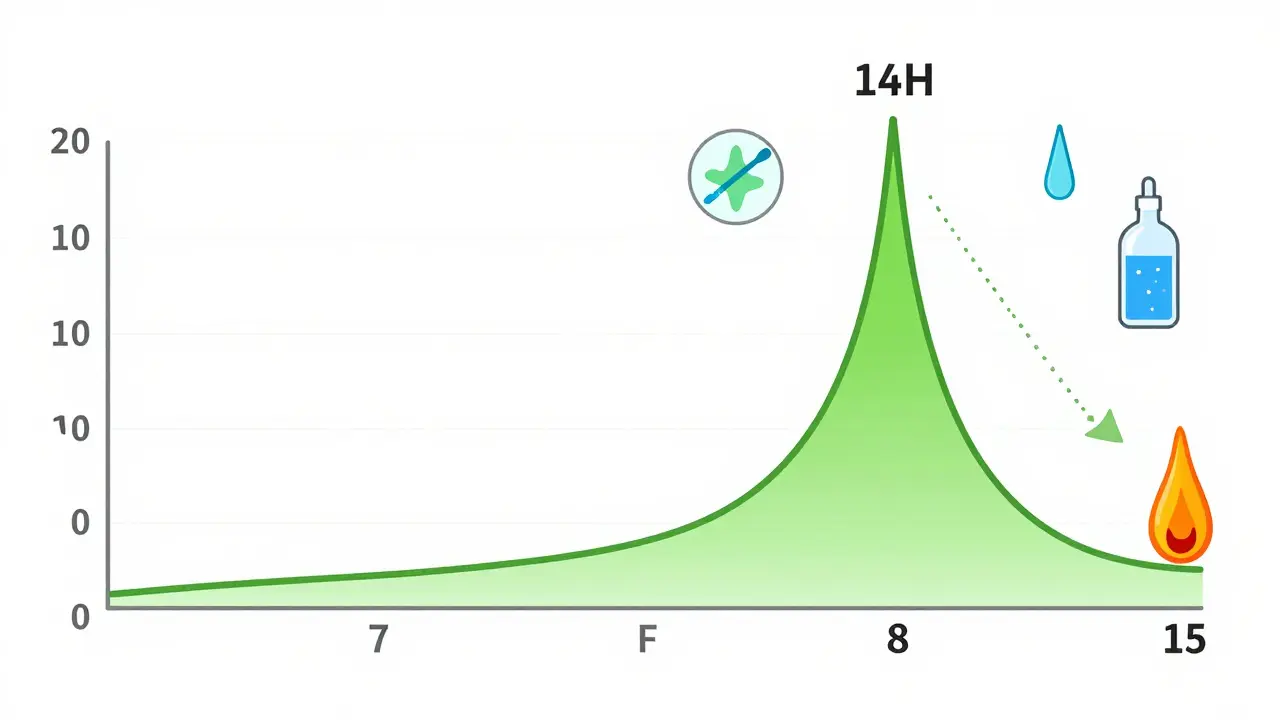
Antibiotics aren’t magic. They don’t speed up recovery in viral cases - and they don’t make you feel better faster in mild bacterial cases. The science is clear: for most people, they offer little to no benefit. A major Cochrane review of over 5,000 patients found that antibiotics only helped 1 in 15 people feel better within 7-15 days. Meanwhile, 5 to 10% of people had side effects like diarrhea, rash, or nausea. So when do they work?- Symptoms lasting longer than 10 days with no improvement
- Double-worsening pattern
- High fever (over 102°F) with severe facial pain
- Signs of complications - vision changes, swelling around the eyes, or severe headache
What to Do Instead (When Antibiotics Won’t Help)
If your sinusitis is viral - which it almost certainly is - here’s what actually works:- Hydrate. Drink at least 2-3 liters of water a day. Thinner mucus drains better.
- Saline nasal irrigation. Use a neti pot or squeeze bottle with sterile or distilled water. Do it 2-3 times a day. Studies show 75% of people get the technique right after watching a short video.
- Humidify. Keep indoor humidity between 40-60%. Dry air makes congestion worse.
- Rest. Your body heals while you sleep. Don’t push through.
- Pain relief. Acetaminophen or ibuprofen helps with pressure and headaches. Don’t overdo it - stick to the label.
Why Overusing Antibiotics Is Dangerous
Every time you take an antibiotic when you don’t need it, you’re helping superbugs grow. The World Health Organization calls antibiotic resistance one of the biggest threats to global health. In the U.S., 2.8 million antibiotic-resistant infections happen every year. About 35,000 people die from them. One of the scariest side effects? Clostridioides difficile (C. diff). It’s a nasty gut infection that can happen after antibiotics wipe out your good bacteria. It causes severe diarrhea, cramps, and fever. In older or sick people, it can be deadly. One patient on PatientsLikeMe ended up in the hospital after taking azithromycin for what turned out to be a viral sinus infection. And here’s the kicker: doctors are often pressured to prescribe. A 2022 study found that 78% of antibiotics given for sinusitis were unnecessary. Patients expect pills. They’ve been told for years that green mucus = infection = antibiotics.What Doctors Are Doing Differently Now
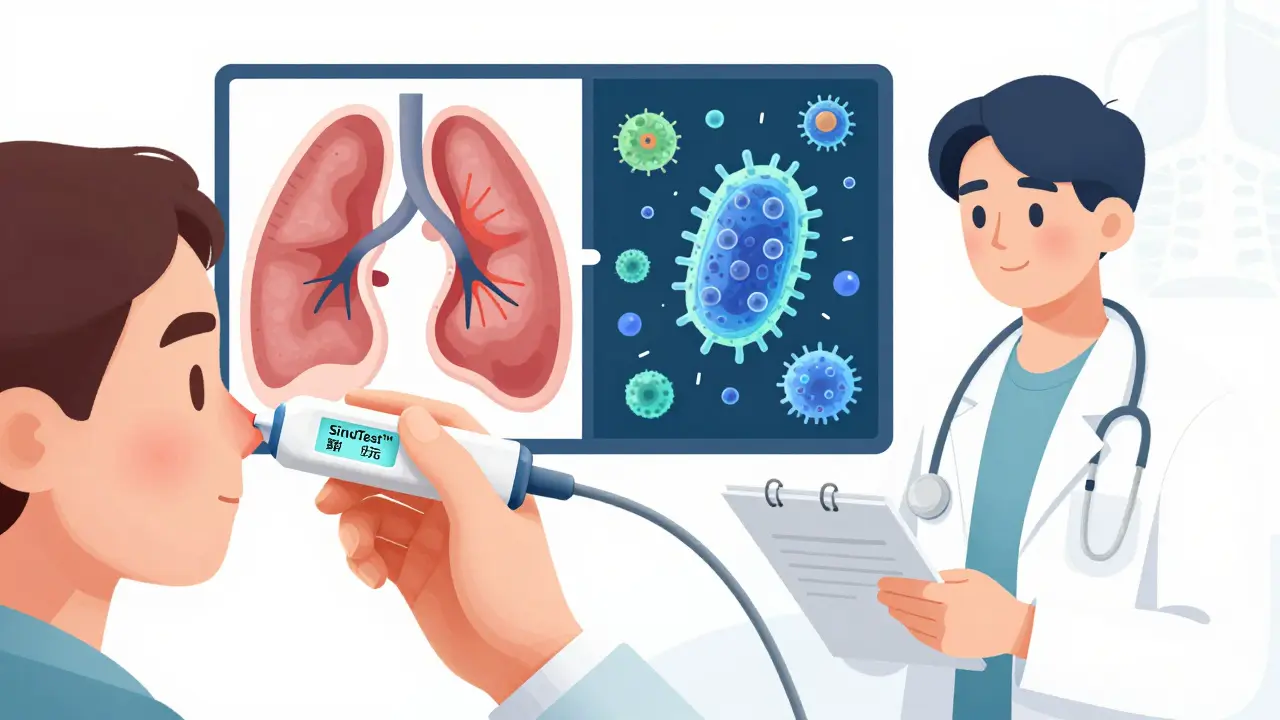
Good doctors aren’t just prescribing - they’re educating. The American Academy of Family Physicians says: don’t give antibiotics for symptoms under 10 days. That’s a strong, evidence-based recommendation backed by 14 clinical trials. New tools are helping:- SinuTest™ - a rapid point-of-care test approved in May 2023 that detects bacterial proteins in nasal fluid. It’s 89% accurate.
- Nasal nitric oxide - levels below 50 ppb suggest bacterial infection. Still mostly used in research, but coming to clinics.
- Nasal probiotics - early trials show they reduce recurrent sinusitis by 42%. Think of it as repopulating your sinuses with good bacteria.
What You Can Do Right Now
You don’t need to wait for a doctor’s visit to start feeling better. Here’s your action plan:- Track your symptoms. Use a simple notebook: write down the date, how bad the pain is (1-10 scale), and the color of your mucus.
- Start saline rinses today. Buy a sterile saline kit or make your own with boiled, cooled water and non-iodized salt.
- Drink water. Keep a bottle with you. Sip all day.
- Use a humidifier in your bedroom.
- Wait 10 days. If you’re not improving - or you get worse after feeling better - then see your doctor.
When to Worry (Red Flags)
Most sinus infections aren’t dangerous. But sometimes, they can spread. Call your doctor immediately if you have:- Fever over 102°F lasting more than 3 days
- Swelling around your eyes or forehead
- Blurry vision or double vision
- Severe headache that doesn’t respond to painkillers
- Stiff neck or confusion
Final Thought: Your Body Is Built to Heal
We’ve been conditioned to think medicine means pills. But healing often means patience, hydration, and rest. Most sinus infections go away on their own. You don’t need antibiotics to get better - you just need time and the right care. The next time you feel that pressure building up, remember: green mucus doesn’t mean bacteria. It means your body is working. Let it work.Can green mucus mean I have a bacterial infection?
Green mucus can happen in both viral and bacterial sinusitis. It’s not a reliable sign on its own. What matters more is how long symptoms last and whether they get worse after improving. If you’ve had symptoms for less than 10 days and are slowly getting better, it’s likely viral - even if the mucus is green.
How long should I wait before seeing a doctor for sinusitis?
Wait at least 10 days if symptoms are stable or improving. If you’re not getting better after 10 days, or if you feel better for a few days and then crash hard again (double-worsening), it’s time to see a doctor. Also, seek care immediately if you have high fever, vision changes, or severe facial swelling.
Are nasal sprays better than antibiotics for sinusitis?
For viral sinusitis and even many cases of bacterial sinusitis, nasal steroid sprays (like fluticasone) and saline rinses are more effective and safer than antibiotics. They reduce swelling and help drain mucus without the risks of antibiotics. Many people with recurring sinus issues use them daily as a preventive measure.
Can I make my own saline solution for nasal rinses?
Yes, but be careful. Use only distilled, sterile, or previously boiled (and cooled) water. Mix 1/4 to 1/2 teaspoon of non-iodized salt with 8 ounces of water. Never use tap water - it can carry dangerous microbes that cause rare but serious brain infections. Pre-made saline packets are safer and more convenient.
Why do some doctors still prescribe antibiotics for sinusitis?
Some doctors prescribe antibiotics because patients expect them, or because they’re under time pressure. Others may be unsure of the diagnosis. But guidelines from the CDC, WHO, and major medical societies are clear: antibiotics should only be used when bacterial infection is likely. Patient education and symptom tracking are helping reduce unnecessary prescriptions.
Is it safe to take antibiotics if I’m not sure if it’s viral or bacterial?
No. Taking antibiotics "just in case" increases your risk of side effects and contributes to antibiotic resistance. Most sinus infections are viral and will clear on their own. If you’re unsure, ask your doctor about waiting 10 days or using a rapid test like SinuTest™. Don’t self-prescribe or take leftover antibiotics.
Neil Ellis
January 21, 2026 AT 20:51Man, I used to be one of those people who’d panic when my snot turned green - thought I needed a magic pill. Then I started rinsing with salt water like a weirdo and drinking water like it’s my job. Guess what? I didn’t die. Actually felt better. No antibiotics. No drama. Just patience and a neti pot. Who knew?
Turns out my body’s got a better IT department than my doctor’s office.
Lauren Wall
January 22, 2026 AT 14:17Green mucus doesn’t mean bacteria. Stop being lazy and stop asking for antibiotics.
Kenji Gaerlan
January 22, 2026 AT 17:25lol i got antibiotics for my sinus thing last year and i still felt like trash. guess what? i was prob just viral. my doc was just like ‘here’s a scrip’ and i was like ‘cool’ and took it. now i feel dumb. also my gut’s been weird ever since. 😅
Hilary Miller
January 24, 2026 AT 06:53Saline rinses changed my life. I do it every night before bed. No more morning congestion. No more feeling like my face is a balloon. And no, I don’t need a prescription. Just a bottle, some salt, and a little discipline. 🙌
Daphne Mallari - Tolentino
January 26, 2026 AT 02:20It is both scientifically and ethically imperative that public health messaging regarding antimicrobial stewardship be prioritized. The normalization of antibiotic overprescription for self-limiting viral conditions constitutes a profound failure of medical education and patient-physician communication. The data are unequivocal.
Alec Amiri
January 27, 2026 AT 17:02So let me get this straight - you’re telling me I don’t need to pop a pill just because I feel like my head’s gonna explode? 🤯
And the real villain here is… my doctor? Who just wanted to get me out the door? 😂
Well I’m gonna start rinsing my nose with salt water like a hippie and pray to the hydration gods. Wish me luck.
Lana Kabulova
January 28, 2026 AT 12:53Wait - so green mucus isn’t a death sentence? I’ve been terrified of it since I was 12. And now you’re saying it’s just… my body fighting? And I’m supposed to wait 10 days? What if I feel awful? What if I’m not sure? What if I’m scared? What if I’ve been lied to my whole life? What if I’m not wrong for wanting relief? What if I just want to feel normal again?
Rob Sims
January 29, 2026 AT 08:07Doctors prescribing antibiotics like they’re candy? That’s not incompetence - that’s corporate healthcare. They get paid to write scripts, not to educate. You think they care about your gut biome? Nah. They care about your next appointment. Meanwhile, you’re sitting there with C. diff because you trusted the system.
Don’t be the next statistic.
arun mehta
January 31, 2026 AT 01:08Amazing post! 🙏 So much truth here. I live in India, where everyone rushes to the pharmacy for antibiotics at the first sniffle. I’ve been teaching my family to use saline rinses and drink warm water - and guess what? No more antibiotics for colds! 🌿💧
Let’s spread this knowledge - one nose rinse at a time! 🌍✨
Chiraghuddin Qureshi
January 31, 2026 AT 11:33Bro, I used to think green snot = infection. Then I tried the neti pot and waited. I didn’t die. I didn’t need pills. I just needed sleep and water. 🤯
Why does everyone think medicine = pills? 🤔
Sarvesh CK
January 31, 2026 AT 21:36It is a profound cultural paradox that we have access to more medical knowledge than any generation in human history, yet we remain deeply entrenched in the belief that healing requires chemical intervention. The notion that antibiotics are a panacea for nasal congestion reflects not only a misunderstanding of immunology, but a broader societal aversion to discomfort, uncertainty, and the natural rhythms of bodily recovery. The sinuses are not broken - they are merely congested, and the human body, when given time, rest, hydration, and gentle mechanical aid, possesses an astonishing capacity for self-regulation. To prescribe antibiotics for viral sinusitis is not merely medically inappropriate - it is an act of ecological negligence, contributing to the silent erosion of our antimicrobial defenses. We must shift from a model of intervention to one of stewardship - not just for our own bodies, but for the microbial ecosystems upon which our collective health depends.