
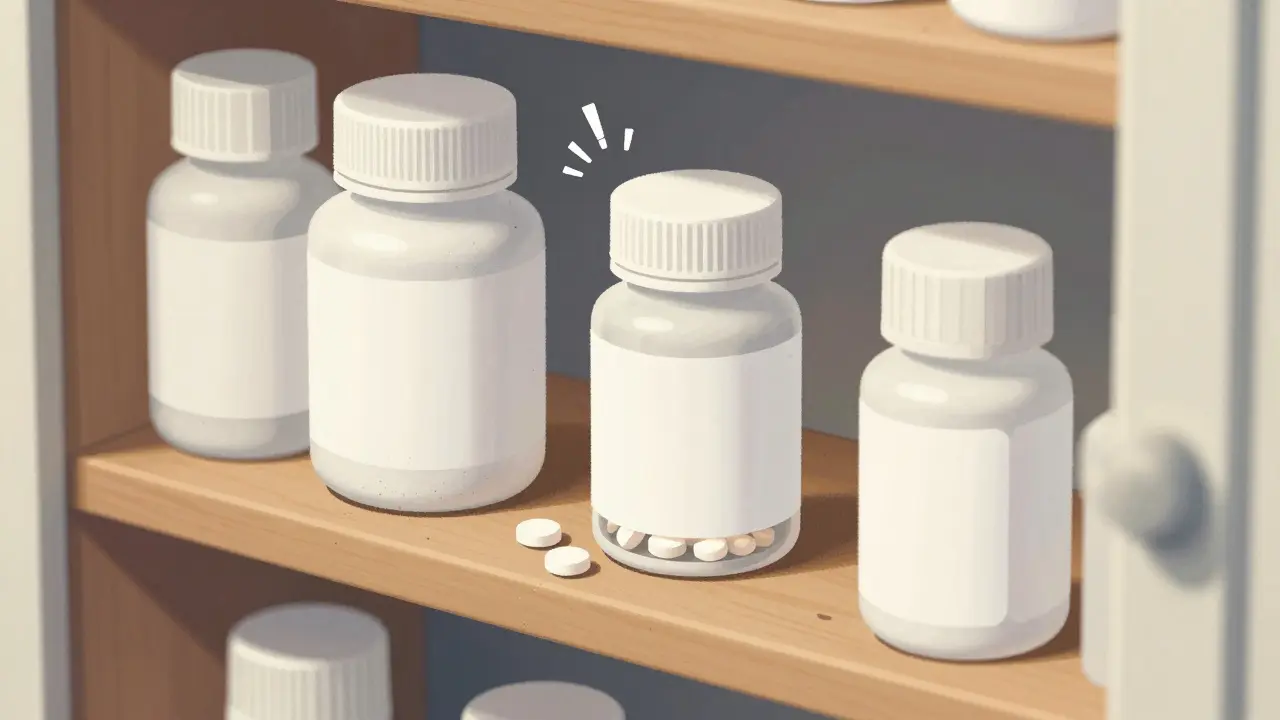
Discover the truth behind medication expiration dates. Learn which expired drugs are safe to use, which pose risks, and how the FDA and DOD research impacts your home medicine cabinet.
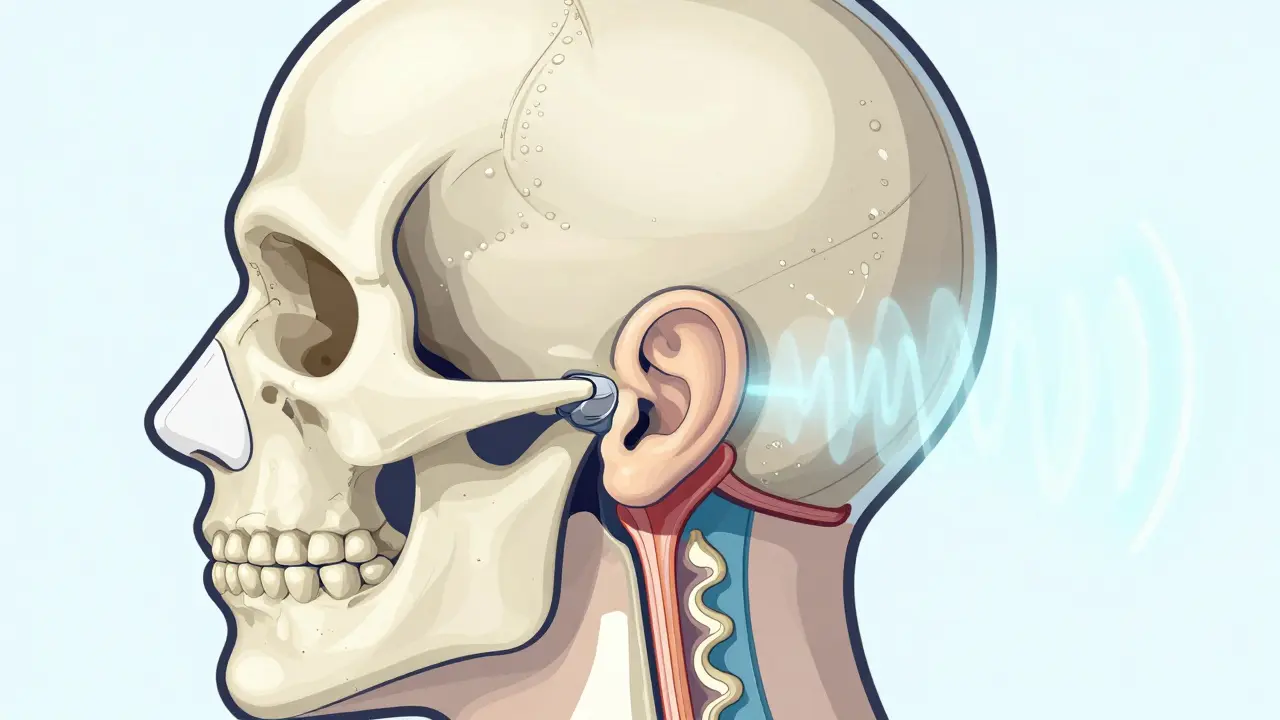
Discover how bone-conduction hearing aids bypass ear issues using skull vibrations. We explore surgical options, costs, benefits for conductive loss, and who qualifies for BAHA.
Discover the truth about generic vs brand-name medications. Learn how bioequivalence ensures safety, when exceptions apply, and how to save money safely on prescriptions.
Discover if store brand OTC medications work as well as name brands. Learn about the science, safety standards, and how to save money on your pharmacy bills without compromising health.
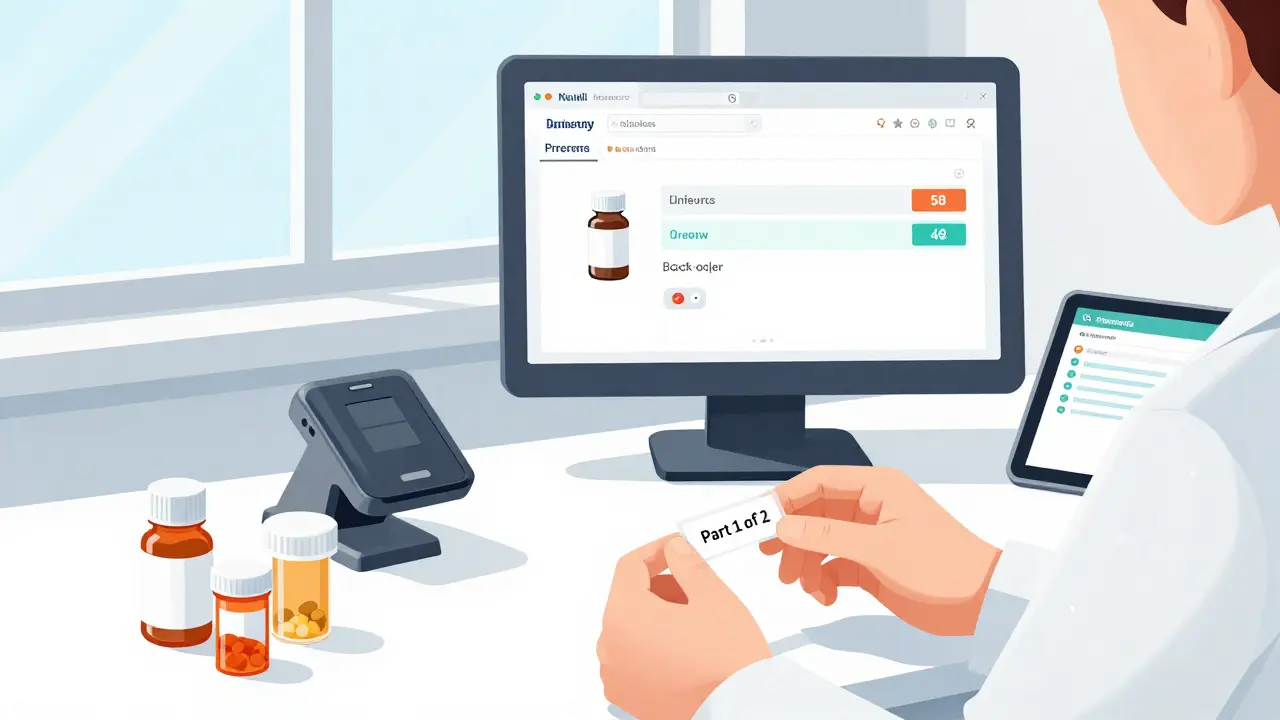
Learn how to safely manage partial fills and back-orders in pharmacy settings to prevent errors, billing mistakes, and patient harm. Real-world strategies, policy templates, and compliance tips for 2026.
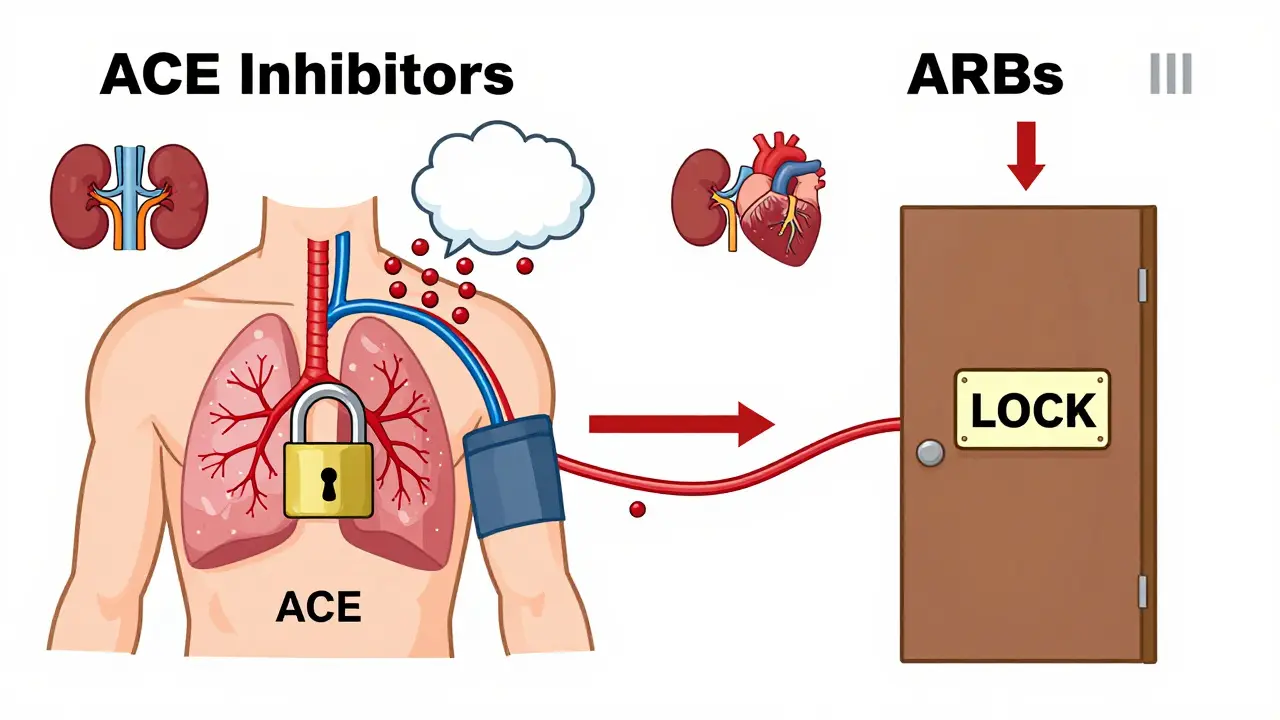
ACE inhibitors and ARBs are common blood pressure meds, but combining them increases risks like high potassium and kidney damage without improving outcomes. Learn when to use one, when to switch, and what safer alternatives exist.
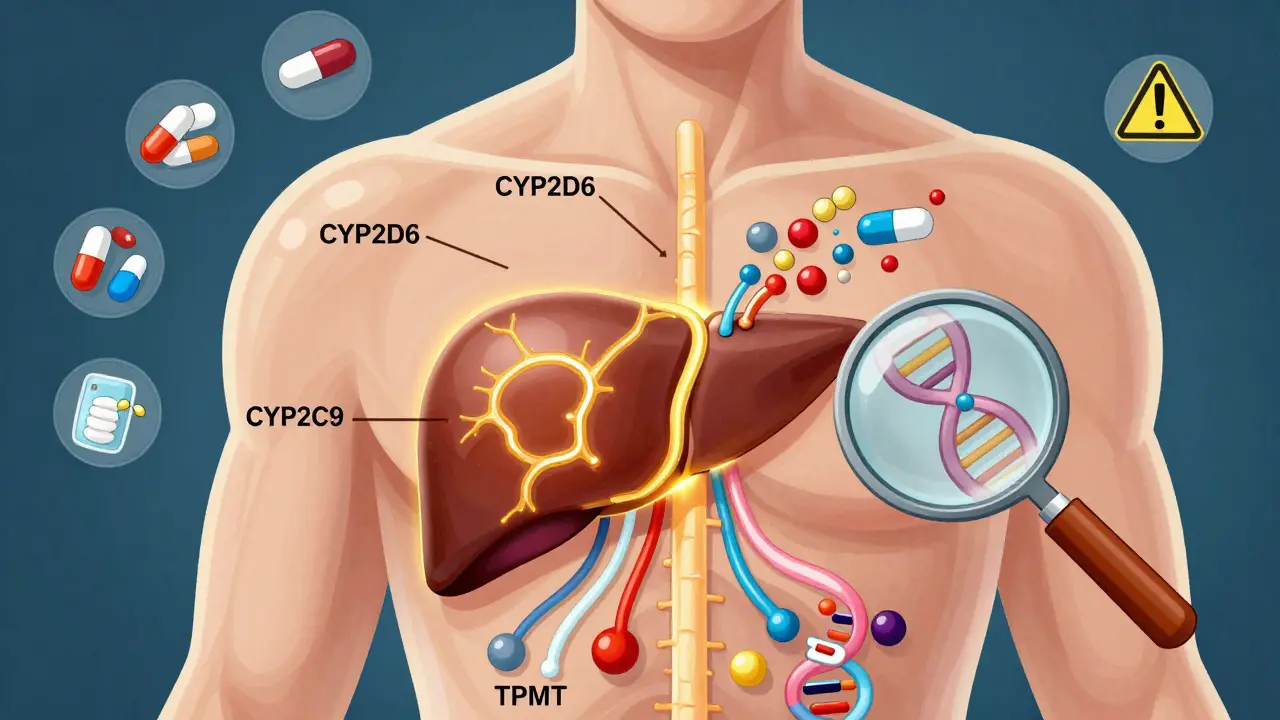
Your genes control how your body processes medications. Pharmacogenomics uses DNA testing to predict drug response, prevent dangerous side effects, and stop the trial-and-error cycle in prescribing. It’s changing how medicine works.
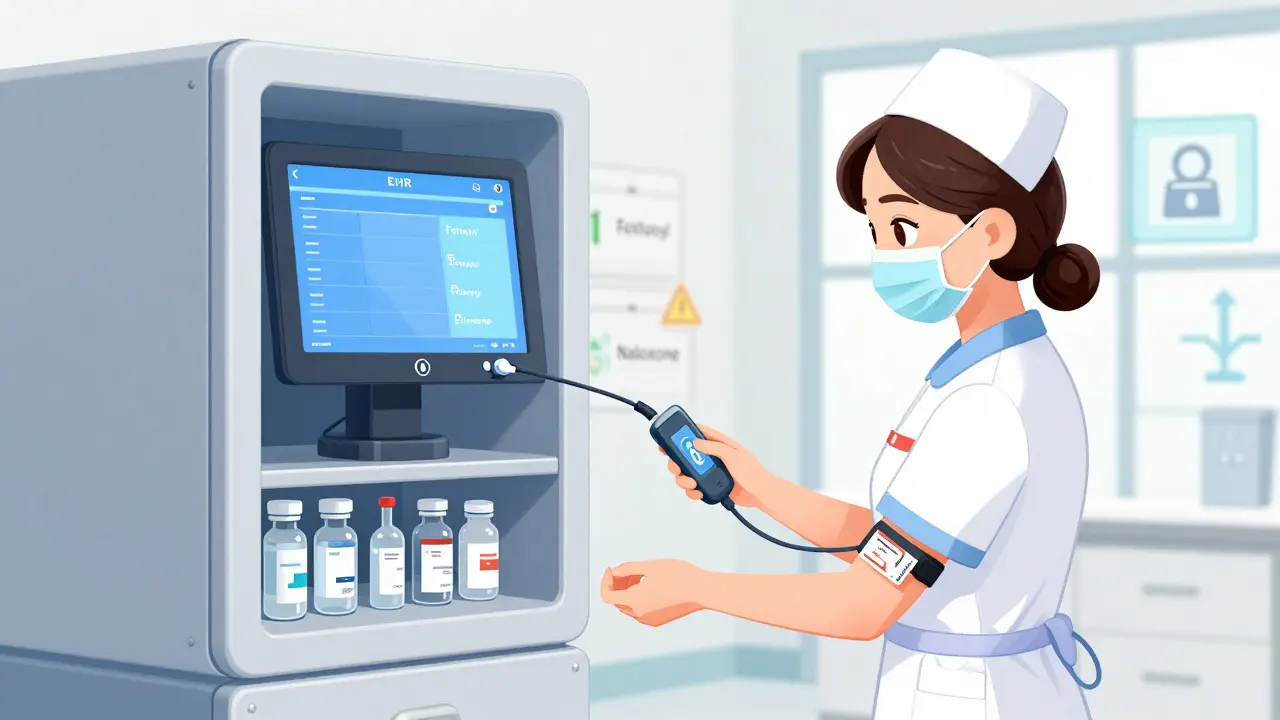
Automated Dispensing Cabinets can cut medication errors - but only if used correctly. Learn the nine safety steps clinics must follow to prevent deadly mistakes and avoid turning safety tech into a risk.
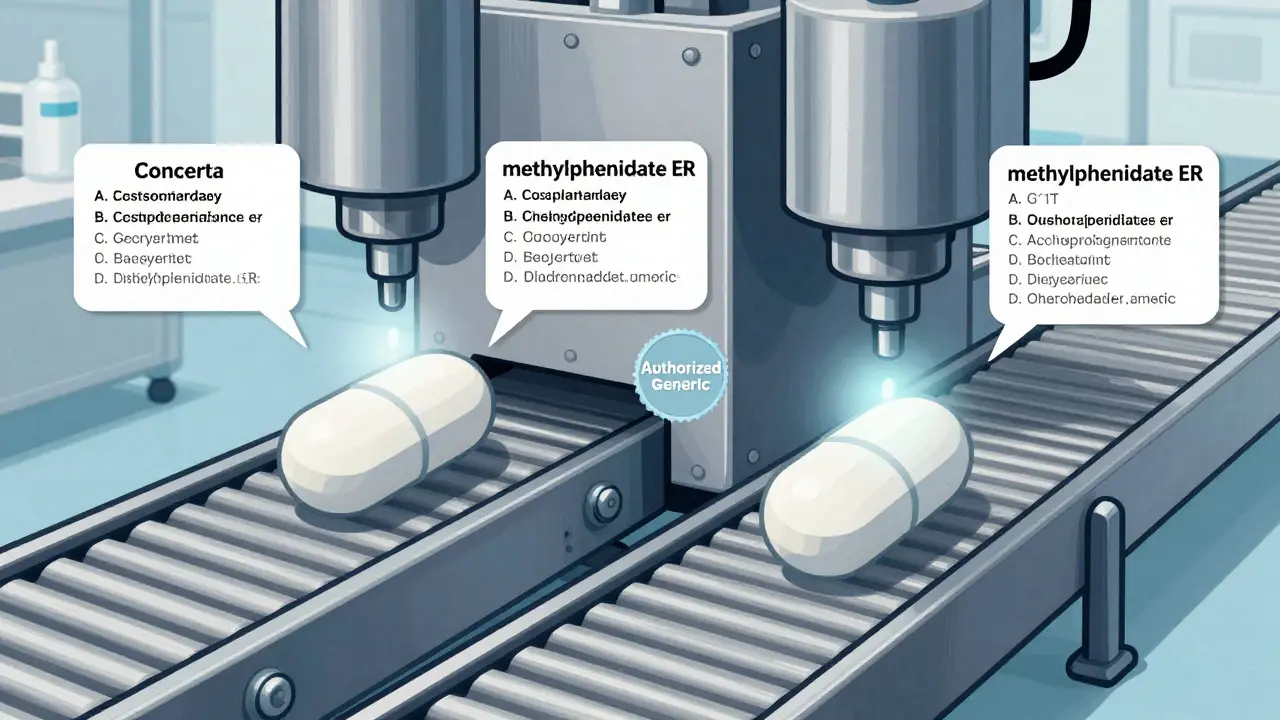
Authorized generics let brand drugmakers stay competitive after patent expiration by selling identical medications under a different label. They lower prices, reduce patient risk, and complicate generic market entry. Here’s how they work - and why they matter.
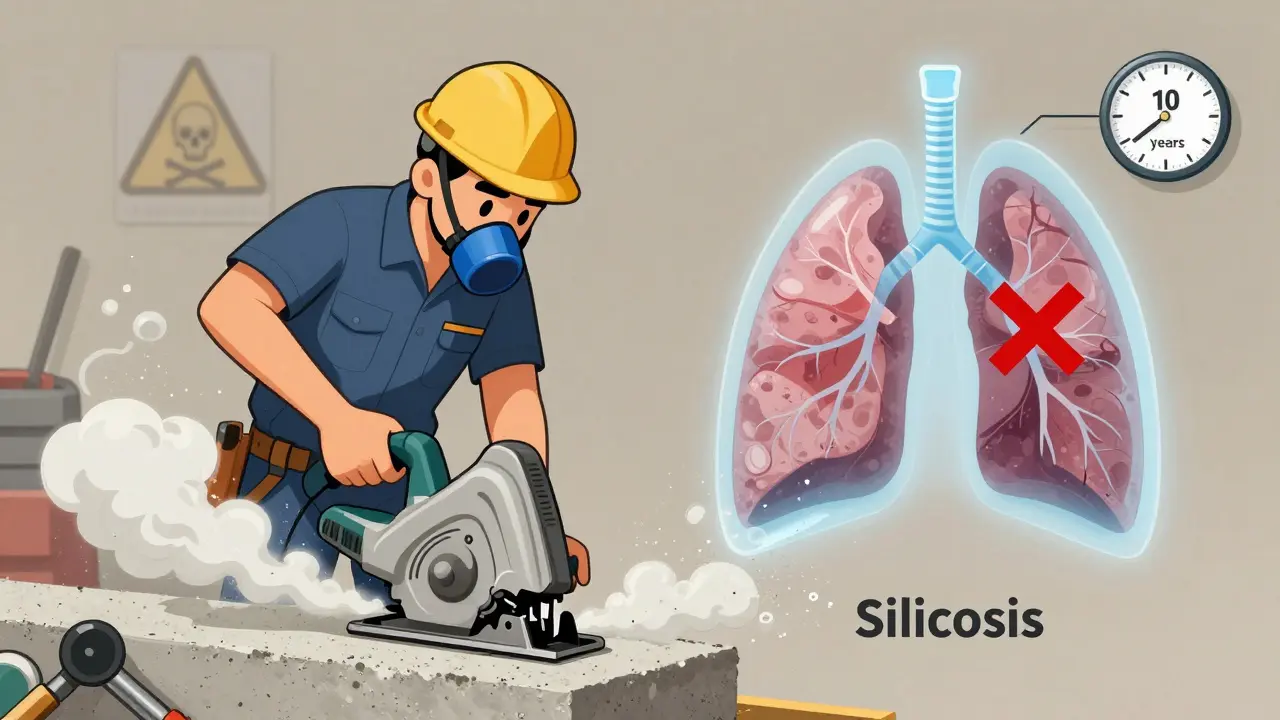
Silicosis and asbestosis are deadly but entirely preventable lung diseases caused by workplace dust and fibers. Learn how exposure happens, why current safety measures fail, and what actually works to protect workers.