
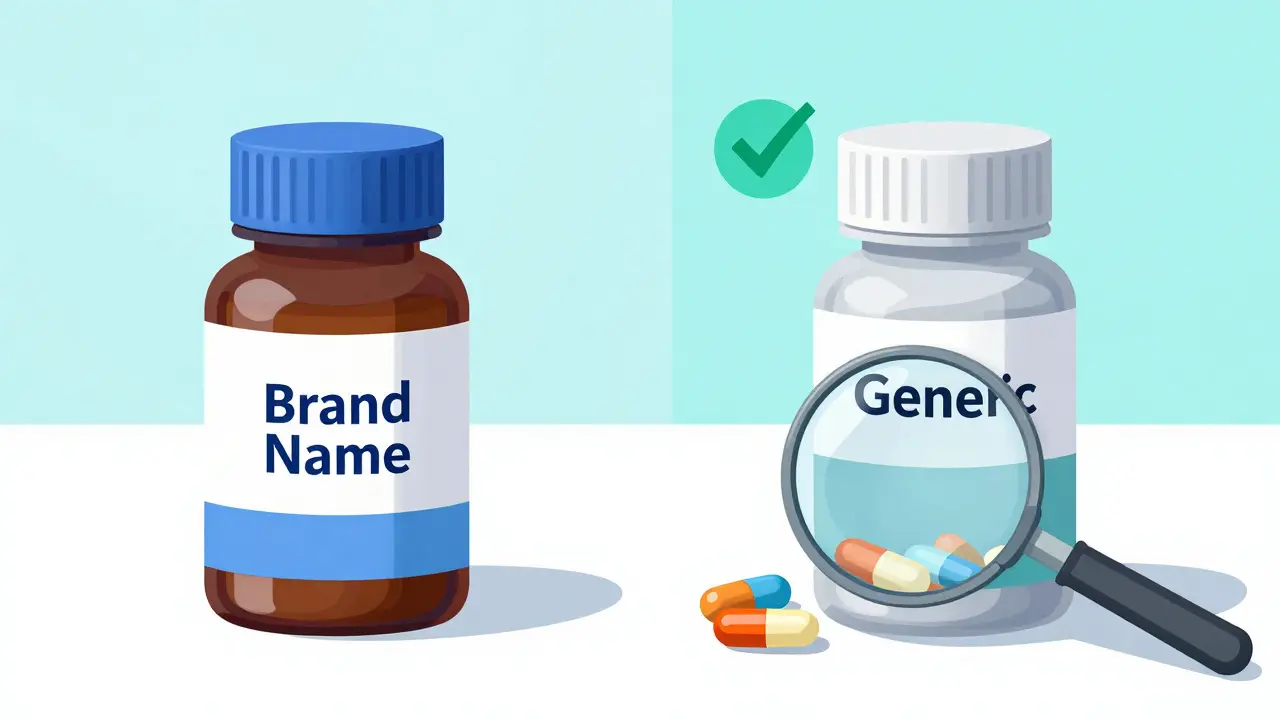
You’ve just left the pharmacy with a bottle that looks different, has a different name, and costs a fraction of what you used to pay. For most people, switching to generics is a seamless transition that saves a lot of money without changing how they feel. But if you've ever wondered, "Is this actually working the same way?" or "Why does this pill look different?", you aren't alone. While the vast majority of generic drugs are identical in effect to their brand-name counterparts, a small number of people notice a difference. The key to a stress-free switch is knowing exactly what to track so you can tell the difference between a placebo effect and a real clinical change.
The quick take on generic switches
- Bioequivalence: Generics must deliver the same amount of active ingredient to your blood in the same timeframe as the brand.
- The 80-125% Rule: The FDA requires that the concentration of the drug in your system stays within this tight range compared to the brand.
- High-Risk Meds: Drugs with a "narrow therapeutic index" (like thyroid or seizure meds) require much closer monitoring.
- Tracking Period: Most people should track symptoms for 30 days; chronic conditions may need 90 days.
- Action Step: If symptoms return, record the NDC number on the bottle and call your doctor immediately.
What actually happens when you switch?
To understand why monitoring matters, you first need to know what a generic is. Generic medications are pharmaceutical equivalents that contain the same active ingredients, strength, dosage form, and route of administration as brand-name drugs. They aren't "knock-offs"; they are rigorously vetted by the FDA (or your local health authority) to ensure they are therapeutically equivalent.
Wait, if they are the same, why do some people feel different? It comes down to inactive ingredients. While the active drug is the same, the binders, fillers, and dyes can vary. For 99% of us, this doesn't matter. But for someone with a specific allergy or a very sensitive system, a different dye or filler can cause a mild reaction or change how the drug is absorbed. This is why tracking your health during the first month is a smart move, not a paranoid one.
When you need to be extra vigilant
Not all medications are created equal. For most drugs, a tiny fluctuation in blood levels doesn't change the outcome. However, there is a category called Narrow Therapeutic Index (NTI) drugs. These are medications where the difference between a "helpful dose" and a "toxic dose" (or an "ineffective dose") is very small.
If you are taking any of the following, you should be much more proactive about monitoring your health after a switch:
- Levothyroxine: Used for thyroid issues; even a slight change in absorption can throw off your hormone levels.
- Warfarin: A blood thinner where too much or too little can be dangerous.
- Antiepileptics: Drugs like Lamotrigine, where a dip in blood levels could potentially trigger a seizure.
- Certain Cardiovascular meds: Heart medications often require tighter control to keep blood pressure or heart rate stable.
Research from Harvard Medical School has highlighted that these specific classes are where patients are most likely to experience "clinically meaningful differences." If you're on one of these, don't just wait for a symptom; schedule a blood test within 14 days of switching.
| Medication Type | Monitoring Level | Key Metric to Track | Recommended Check-up |
|---|---|---|---|
| General (Statins, BP meds) | Low | General wellness/Side effects | Next scheduled visit |
| Asthma/Respiratory | Medium | Peak flow measurements | 2 weeks post-switch |
| Diabetes (Non-insulin) | Medium | Blood glucose/HbA1c | 4-8 weeks post-switch |
| NTI (Thyroid, Seizure) | High | Blood serum levels / Biomarkers | 7-14 days post-switch |
Your 30-day monitoring blueprint
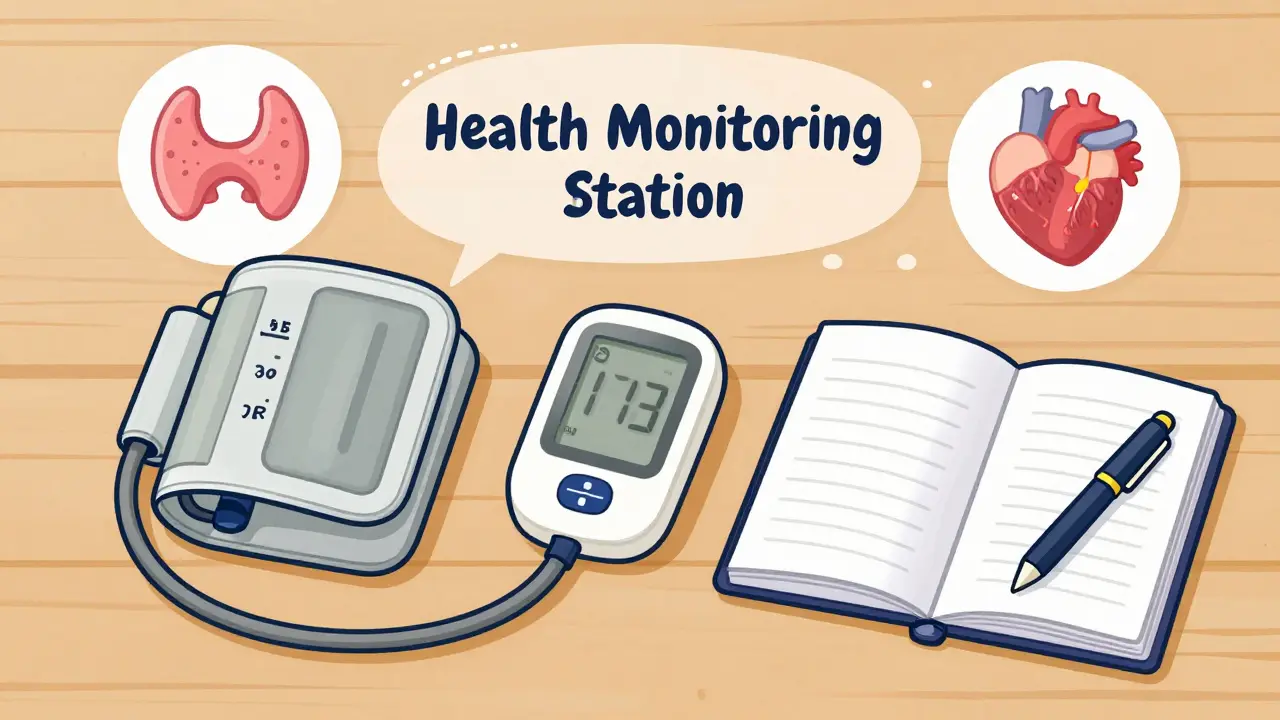
How do you actually "monitor" your health without obsessing over every sneeze? The best approach is a simple medication diary. Instead of relying on memory, spend 30 seconds a day jotting down a few key points. If you have a chronic condition, stretch this to 90 days.
Here is a practical way to set up your tracking:
- Log Your Baseline: For a week before the switch, note how you feel. Are you waking up tired? Is your blood pressure usually 120/80? This gives you a point of comparison.
- Track the "Big Three": Focus on dosing time (are you taking it exactly as before?), symptoms (is the original problem returning?), and new side effects (any unexpected rashes or digestive issues?).
- Use Standard Tools: If you have a home blood pressure cuff or a glucose monitor, use them daily for the first two weeks. It's much easier to show a doctor a chart of numbers than to say, "I think I feel different."
- Verify the NDC: Every drug has a National Drug Code (NDC). If your pharmacy switches the generic manufacturer mid-month, the NDC will change. Note this down, as different generic brands can sometimes vary slightly in how they feel.
Spotting the red flags
Most "problems" people report after switching to generics are actually minor. Pill shape, color, or a slightly different aftertaste are common and usually harmless. However, you should contact your doctor immediately if you notice therapeutic failure. This is when the drug simply stops doing its job.
For example, if you're taking a generic antidepressant and you suddenly feel a return of deep anxiety or insomnia after two weeks, that's a red flag. Similarly, if an asthma patient sees their peak flow measurements drop consistently, the generic might not be delivering the medication effectively to the lungs.
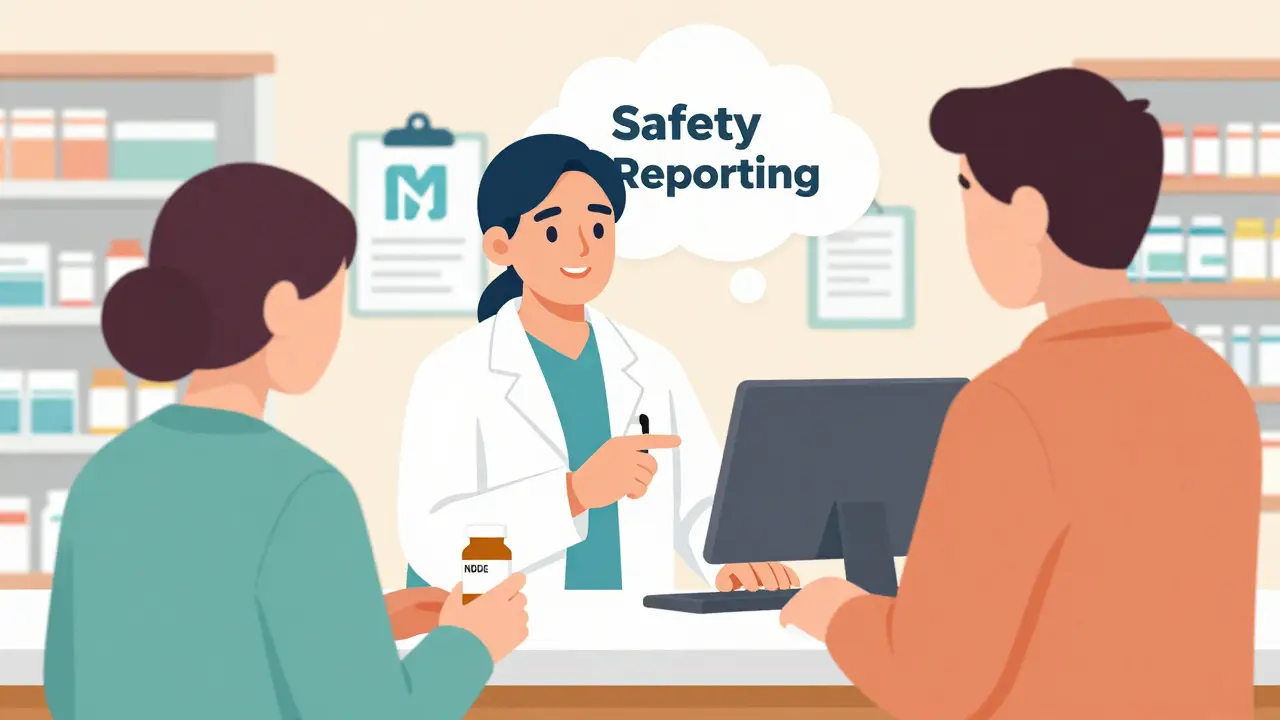
If you suspect a problem, don't just throw the bottle away. Keep the packaging. You will need the lot number and the NDC to report the issue to MedWatch, the FDA's safety reporting system. This is how the government finds out if a specific batch of medication is substandard.
Navigating the pharmacy conversation
You have a lot of power at the pharmacy counter. If you've had a bad experience with a specific generic manufacturer in the past, you can ask your doctor to write "Dispense as Written" (DAW) on the prescription. This tells the pharmacist they cannot substitute the brand for a generic.
Alternatively, you can ask your pharmacist if they can source a generic from a different manufacturer. Since there are often multiple companies making the same generic version of a drug, switching to a different generic can sometimes solve the problem without needing to go back to the expensive brand-name version.
Are generic drugs actually the same as brand-name drugs?
Yes, in terms of the active ingredient. The FDA requires generics to be bioequivalent, meaning they must deliver the same amount of the active drug into your bloodstream within the same timeframe. While inactive ingredients (like fillers or dyes) may differ, the therapeutic effect is designed to be identical.
Why does my generic pill look different from the brand name?
Trademark laws prevent generic manufacturers from making their pills look exactly like the brand-name version. Different colors, shapes, and imprints are required, but these visual differences do not affect how the medicine works in your body.
What should I do if I feel a difference after switching?
First, start a daily symptom diary to determine if the change is consistent. Second, contact your healthcare provider to see if you need a blood test or a dosage adjustment. Finally, provide your pharmacist with the NDC number on your bottle so they can track which manufacturer produced the medication.
How long should I monitor my health after a switch?
For most people, 30 days is sufficient to identify any adverse reactions or lack of efficacy. However, for chronic conditions or medications with a narrow therapeutic index (like thyroid or seizure meds), monitoring for 90 days is recommended to ensure long-term stability.
Can I request a specific generic manufacturer?
Yes. You can talk to your pharmacist about which manufacturers they stock. If you find a specific generic that works well for you, you can ask the pharmacy to consistently provide that specific version, though this depends on their supply chain and insurance contracts.
What to do next
If you're about to switch to a generic, don't panic-but do prepare. If you are on a high-risk medication, call your doctor today and ask, "Since I'm switching to a generic, should we schedule a blood test for two weeks from now?"
For those who have already switched and feel "off," start your diary tonight. Record your symptoms, your dose, and the NDC number. Having this concrete data will turn a vague conversation with your doctor into a clinical one, allowing them to make a fast, evidence-based decision about whether you should stay on the generic or move back to the brand.