
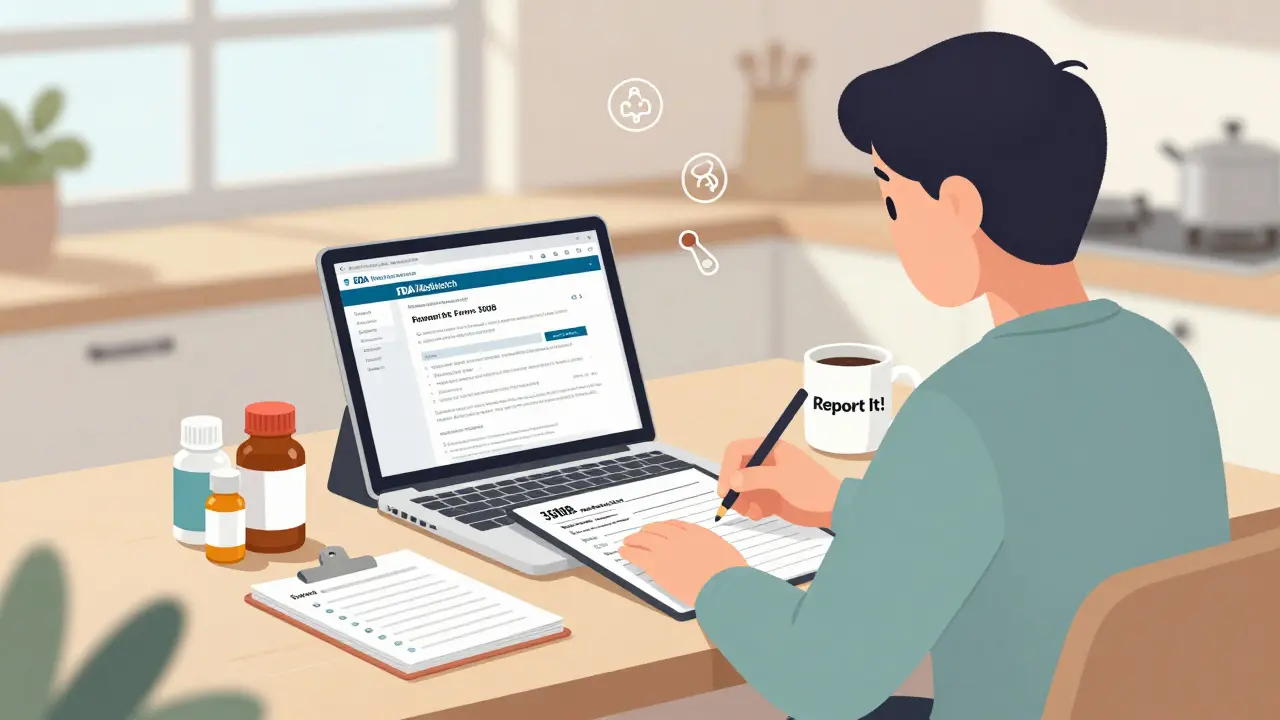
Every year, millions of people in the U.S. take prescription and over-the-counter medicines without issue. But for some, a drug causes an unexpected and sometimes serious reaction. These are called adverse drug events. If you or someone you know has had a bad reaction to a medication, reporting it to the FDA through MedWatch isn’t just helpful-it’s critical. It’s how the agency finds patterns, warns the public, and sometimes pulls dangerous drugs off the market.
What Is MedWatch?
MedWatch is the FDA’s official system for tracking safety problems with medical products. It’s not just for doctors. Anyone-patients, caregivers, pharmacists, nurses-can file a report. The program collects information on reactions to prescription drugs, over-the-counter medicines, medical devices, and even some cosmetics and hemp-based products. Since 1993, it’s been the main way the FDA learns about side effects that didn’t show up during clinical trials.The FDA gets about 1.3 million reports each year. Most come from healthcare providers, but consumer reports are just as important. In fact, 47% of drug safety label changes in 2021 were based on MedWatch data. One example: reports of a rare but severe skin infection called Fournier’s gangrene led to a black box warning on SGLT2 inhibitor diabetes drugs in 2022.
But here’s the problem: experts estimate only 1% to 10% of all adverse events are ever reported. Why? Time. Confusion. Belief that “it’s not serious enough.” If you’ve had a reaction, even if you’re not sure it was caused by the drug, report it. The FDA doesn’t need proof of causation-just the facts.
Who Should Report?
You don’t need to be a medical professional to report. Here’s who should:- Patients and caregivers: If you or someone you care for had a bad reaction to a medicine, report it. You know the symptoms best.
- Healthcare providers: Doctors, nurses, pharmacists, and other clinicians are encouraged to report every suspected adverse event, even if it seems minor.
- Manufacturers and pharmacies: These groups are legally required to report serious events, but they don’t replace your personal report.
Don’t wait for someone else to report. If you’re unsure whether it’s reportable, err on the side of caution. The FDA’s definition is simple: any unexpected, unfavorable medical occurrence after taking a product.
How to Report: Two Simple Paths
There are two main ways to report, depending on who you are.For Consumers: Use Form 3500B
This is the easiest route. Form 3500B is a three-page form designed for patients and family members. It skips complex medical jargon and focuses on what matters to you:- Who had the reaction? (You can use initials or a medical record number-no full Social Security number needed.)
- What drug(s) were involved? Include the brand and generic name, dose, and when you took it.
- What happened? Describe the symptom in plain language: “I broke out in hives after taking ibuprofen,” or “I felt dizzy and passed out after my first dose of metoprolol.”
- When did it start? How long did it last?
- Did you stop the drug? Did symptoms get better or worse?
- Do you have other medical conditions or take other meds?
- Your contact info (so they can follow up if needed).
You can fill out Form 3500B online at FDA.gov/MedWatch, download and mail it, or call 1-800-FDA-1088 to request a form by phone.
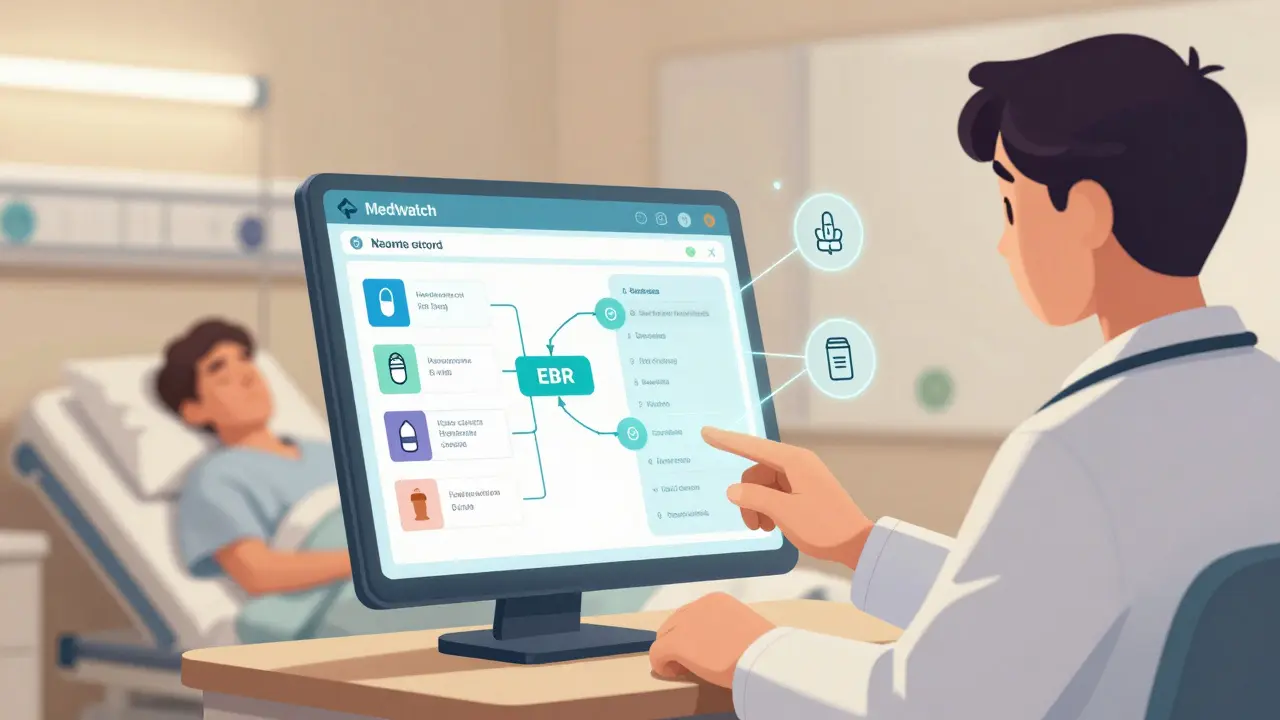
For Healthcare Professionals: Use Form 3500
If you’re a provider, use Form 3500. It’s longer-five pages with 45 fields-but it captures more clinical detail:- Lab results, imaging findings
- Exact timing of drug administration and symptom onset
- Outcome: Did the patient recover? Was there hospitalization?
- Drug lot number and expiration date (critical for tracking manufacturing issues)
Many hospitals and clinics now integrate MedWatch reporting directly into their electronic health records (EHRs) like Epic or Cerner. If your system supports it, you might only need to click a button to auto-generate a report. At Indian Health Service facilities, for example, creating an “Adverse Reaction” note in the RPMS system automatically triggers a MedWatch submission.
What to Include in Your Report
A strong report gives the FDA enough to spot a pattern. Here’s what to gather before you start:- Patient info: Age, sex, weight (if known), and any major medical history (diabetes, kidney disease, etc.).
- Drug details: Full name (brand and generic), dosage, how often taken, start and stop dates.
- Event description: Be specific. “Nausea” isn’t enough. Say: “Severe vomiting starting 2 hours after taking lisinopril, lasted 8 hours, resolved after stopping the drug.”
- Timeline: When did you take the drug? When did symptoms begin? When did they end?
- Other meds: List all prescription, OTC, and supplement use. Interactions matter.
- Outcome: Did the person go to the ER? Get hospitalized? Recover fully? Die?
Don’t worry if you don’t have all the details. The FDA prefers an incomplete report over no report at all.
What You Shouldn’t Report to MedWatch
Not every safety issue goes to MedWatch. Here’s what to avoid:- Vaccines: Report these to VAERS (Vaccine Adverse Event Reporting System) at vaers.hhs.gov.
- Animal drugs: Contact the Center for Veterinary Medicine, not MedWatch.
- Medical device malfunctions: If a pacemaker fails or an insulin pump stops working, report it to MedWatch-but only if it caused harm. For device-only issues without injury, use the FDA’s device reporting portal.
- Counterfeit products: Report fake pills or fake packaging to the FDA’s Office of Criminal Investigations, not MedWatch.
If you’re unsure, call the MedWatch hotline: 1-800-FDA-1088. Trained staff answer 95% of calls within 30 seconds.
How Long Does It Take?
Filling out the online form takes 15 to 20 minutes. If you’re using an integrated EHR, it can be as quick as 7 minutes. Paper forms take longer to complete and mail, but they’re still accepted.There’s no deadline for voluntary reports. But the FDA recommends submitting within 15 days of recognizing the event. The sooner you report, the faster the agency can act.
What Happens After You Submit?
You’ll get an automated email confirmation within 24 hours. The FDA doesn’t respond to every individual report, but your data gets added to the FDA Adverse Event Reporting System (FAERS)-a database of over 2 million reports.Analysts use software to find patterns. If 10 people report the same rare side effect from the same drug, it triggers a review. If the signal is strong enough, the FDA might:
- Add a warning to the drug label
- Require a Risk Evaluation and Mitigation Strategy (REMS)
- Issue a public safety alert
- Request more studies from the manufacturer
- Withdraw the drug from the market
One recent example: reports of liver injury linked to certain weight-loss supplements led to FDA warnings and product recalls in 2023.
Common Challenges and How to Overcome Them
Many people don’t report because they think:- “It’s not serious enough.” Even mild reactions matter. A rash, dizziness, or insomnia could be the first sign of a larger pattern.
- “The doctor will report it.” Studies show only 50% of providers report adverse events regularly. Don’t assume it’s being done.
- “I don’t know how.” The online form walks you through each step. There are no trick questions.
- “My info won’t be private.” The FDA protects personal data. You’re not required to give your full name or SSN.
One doctor in Massachusetts said her EHR integration cut her reporting time from 25 minutes to 8 minutes per case. That’s the future-and it’s already here in many hospitals.
What’s New in MedWatch?
The FDA is making improvements:- MedWatch AI Assistant: Launched in 2023, this tool auto-fills 40% of form fields by pulling data from clinical notes.
- MedWatch Express App: A mobile pilot in 15 teaching hospitals lets providers report in under 5 minutes.
- More cannabis fields: Since 2020, reports of adverse effects from CBD and THC products have jumped 327%. The form now has dedicated fields for these.
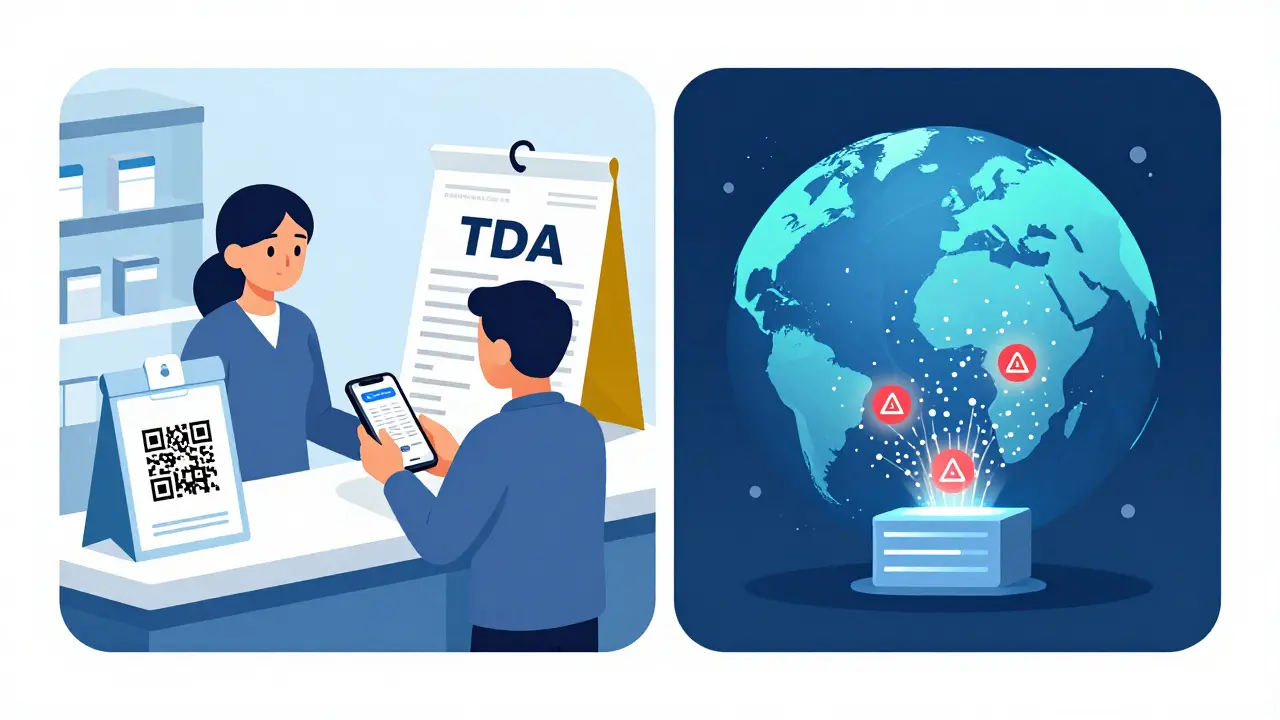
- “MedWatch Everywhere” campaign: Starting in 2024, pharmacy chains are placing QR codes on prescription bags that link directly to the reporting form.
By 2026, the FDA expects submissions to grow by 25% thanks to these efforts. But public awareness is still low-only 28% of consumers know MedWatch exists.
Final Thought: Your Report Could Save a Life
You might think your single report won’t make a difference. But behind every drug warning, every label change, every recall, are hundreds-if not thousands-of reports like yours.When someone else takes that same drug and has the same reaction, your report helps them avoid harm. It helps doctors choose safer options. It helps regulators make smarter decisions.
Reporting takes less time than scrolling through social media. It’s free. It’s anonymous if you want it to be. And it’s one of the most powerful ways ordinary people can help make medicines safer for everyone.
Visit FDA.gov/MedWatch today. Fill out the form. Click submit. You’ve just helped protect someone you’ll never meet.
Can I report an adverse event if I’m not sure the drug caused it?
Yes. The FDA doesn’t require proof of causation. If a reaction happened after taking a drug-even if another cause seems likely-report it. The agency looks for patterns across many reports. One unclear case won’t trigger action, but 20 similar ones might.
Do I need to give my real name to report?
No. You can report anonymously. The form asks for your contact information so the FDA can follow up if they need more details, but you’re not required to provide it. If you do give your name, it’s kept confidential and not shared publicly.
What if I report a reaction and nothing happens?
Nothing happening doesn’t mean your report didn’t matter. Many safety signals require dozens or hundreds of reports before the FDA acts. Your report adds to the evidence. Even if a drug isn’t pulled, your report might lead to a new warning on the label, helping future patients avoid the same issue.
Can I report a reaction from a supplement or herbal product?
Yes. MedWatch accepts reports on dietary supplements, herbal products, and CBD or THC-based products. These are increasingly common, especially since the 2018 Farm Bill. In 2023, reports involving hemp-derived products rose by 327% compared to 2020.
Is there a mobile app for reporting?
There’s a pilot app called MedWatch Express, currently available only in 15 major teaching hospitals. For the general public, the best option is the mobile-friendly website at FDA.gov/MedWatch. You can complete the entire form on your phone. No app download is needed.
How long does it take for the FDA to act on a report?
There’s no set timeline. The FDA reviews reports continuously. A single report may take months or years to contribute to a larger pattern. But if multiple reports point to the same serious risk, the agency can issue a safety alert in as little as a few weeks. The system is designed for long-term surveillance, not instant fixes.
Anjula Jyala
January 27, 2026 AT 07:14MedWatch reporting is fundamentally broken because most patients don't understand pharmacovigilance protocols and the FDA's signal detection algorithms require longitudinal clustering of adverse event reports to trigger regulatory action. Without structured data inputs and standardized ontologies like MedDRA, consumer submissions are noise in the system. You're not helping by filing incomplete forms-you're diluting the signal.
Kirstin Santiago
January 28, 2026 AT 16:34I’ve reported two reactions myself-one to a generic statin that gave me muscle cramps so bad I couldn’t walk, and another after a new OTC sleep aid made my heart race. Didn’t know if it was the drug or just stress, but I filed anyway. Turns out, the statin got a label update six months later. You don’t need to be a doctor to make a difference. Just care enough to hit submit.
Kathy McDaniel
January 29, 2026 AT 02:32omg i just reported my weird rash from that new allergy med and i felt so guilty for not doing it sooner 😅 i thought it was just dry skin but now i’m like… what if someone else gets it too? thanks for the guide!!
Patrick Merrell
January 29, 2026 AT 03:09People who don’t report adverse events are irresponsible. You think your little hives or dizziness doesn’t matter? That’s how people die. You’re not just failing yourself-you’re failing every future patient who might take the same pill. If you can’t be bothered to spend 15 minutes, you shouldn’t be allowed to take meds at all.
Conor Flannelly
January 30, 2026 AT 12:37There’s something deeply human about this system. We’re not just data points-we’re witnesses. Every report is a quiet act of solidarity with someone who hasn’t taken the drug yet. The FDA doesn’t need perfection. It needs presence. Even if your report sits in a database for years, it’s still a thread in the tapestry that might one day save a life. That’s not bureaucracy. That’s care, coded.
Conor Murphy
January 31, 2026 AT 13:06My mom had a reaction to a blood pressure med and the doctor said ‘it’s probably not the drug.’ But I filed the report anyway. Two months later, the FDA sent out a safety notice. Turns out, 17 other people had the same thing. She never knew she helped change the warning label. That’s the quiet power of this system.
Desaundrea Morton-Pusey
February 1, 2026 AT 10:40Why does the FDA even let random people report? Shouldn’t only doctors be allowed? This is why American healthcare is a mess-everyone thinks they’re a medical expert now. I’m not reporting my sneezes after taking Tylenol. Get real.
Kegan Powell
February 1, 2026 AT 20:19Just reported my weird tingling after taking that new probiotic-no idea if it was the supplement or just my nerves. But I clicked submit anyway. If it helps one person avoid the same thing? Worth it. You don’t need to be perfect. You just need to care enough to try. 🙌